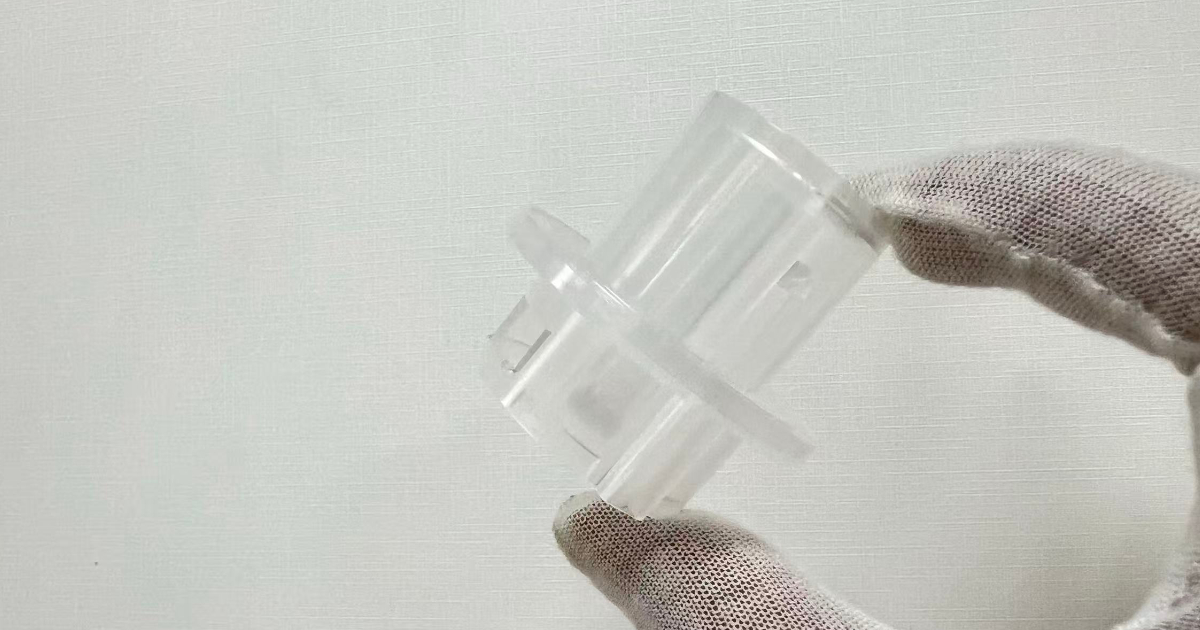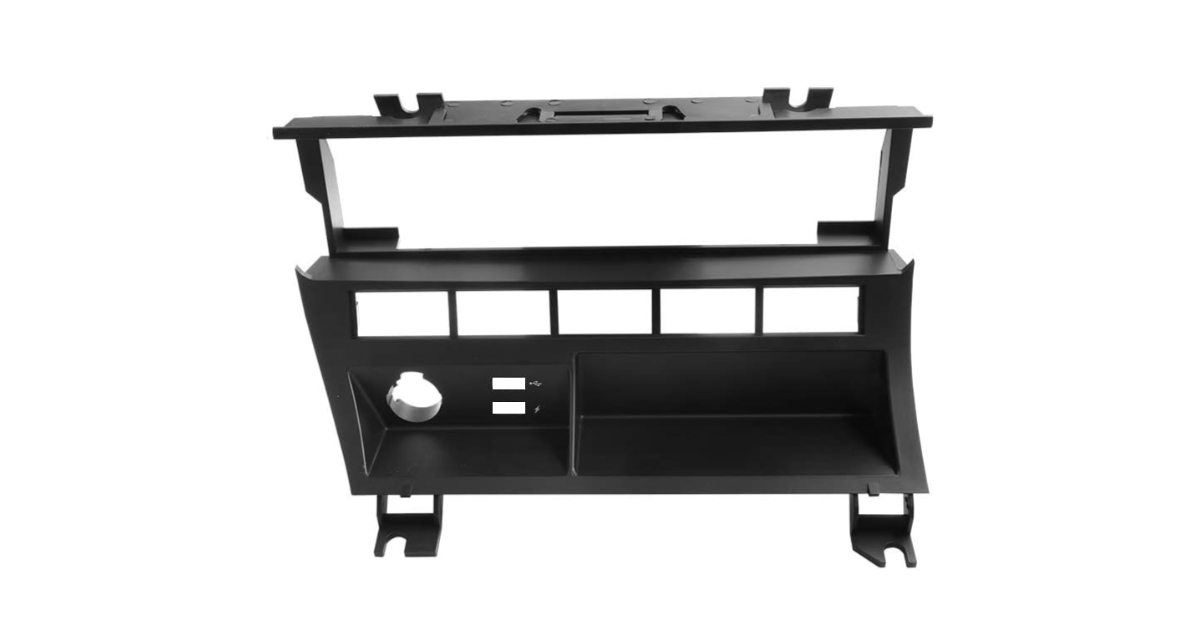
Project Overview
A European Tier 1 automotive supplier approached JBRplas requiring a precision injection mold for an HVAC bracket — a structural component mounted inside the dashboard assembly that supports the air distribution duct system. The part needed to withstand under-dashboard temperatures up to 110°C continuous, survive 30G vibration testing, and meet PPAP Level 3 documentation requirements.
Challenge: Previous supplier had failed PPAP due to unacceptable warpage on the long flat face of the part — a 180mm unsupported span that distorted by up to 1.2mm after ejection.
Part Specifications
| Parameter | Specification |
|---|---|
| Part dimensions | 185 × 94 × 38mm |
| Nominal wall thickness | 2.5mm |
| Material | PA66-GF30 |
| Surface finish | SPI B2 (non-cosmetic structural) |
| Critical tolerances | ±0.1mm on 4 mounting hole positions |
| Operating temperature | -40°C to +110°C continuous |
| Annual volume | 280,000 pieces |
Engineering Approach
Root Cause of Warpage
Our DFM analysis of the previous supplier’s mold data identified two contributing causes:
Gate location — single edge gate placed at one end of the 185mm part caused an asymmetric fill pattern, creating differential fiber orientation in the GF30 material and non-uniform shrinkage across the long axis.
Cooling imbalance — inadequate cooling on the core side of the mold relative to the cavity side caused the part to bow toward the warmer surface during ejection.
Solution: Dual-Gate Valve System + Conformal Cooling
Gating: We designed a hot runner system with two valve gates positioned symmetrically at 60mm from each end of the long axis. This created a balanced, mirror-symmetric fill that neutralized the differential fiber orientation responsible for the previous warpage.
Cooling: We machined conformal cooling channels on the core side that follow the 3D contour of the part — maintaining uniform coolant contact across the entire 185mm span. Core-side water temperature was set 5°C below the cavity side to correct the residual cooling imbalance from the mold base geometry.
Validation: Moldflow simulation confirmed the symmetric fill pattern and predicted residual warpage of 0.18mm on the long face — within the 0.30mm tolerance. Actual measured warpage on T1 parts: 0.14mm.
Tooling Details
| Parameter | Detail |
|---|---|
| Mold type | 4-cavity hot runner, valve gate |
| Mold base | LKM standard, 500 × 450mm |
| Core / cavity steel | H13, hardened to 50±2 HRC |
| Runner system | Yudo hot runner, 4-drop valve gate |
| Cooling | Conformal on core, conventional on cavity |
| Surface finish | SPI B2, cavity face |
| Ejection | 8× Ø6mm ejector pins per cavity |
| Mold weight | 1,850kg |
Timeline
| Milestone | Duration |
|---|---|
| DFM report issued | Day 3 |
| Mold design complete | Day 12 |
| Customer design approval | Day 15 |
| Steel ordered and received | Day 18 |
| Machining complete | Day 24 |
| T1 trial | Day 28 |
| T1 samples shipped to customer | Day 29 |
| Customer T1 approval | Day 38 |
| PPAP submission | Day 45 |
| PPAP approval | Day 52 |
Results
| Metric | Target | Achieved |
|---|---|---|
| Long-face warpage | ≤0.30mm | 0.14mm |
| Mounting hole position | ±0.10mm | ±0.06mm |
| T1 lead time | 30 days | 28 days |
| PPAP Level 3 approval | Required | ✅ Achieved |
| Production Cpk (critical dims) | ≥1.67 | 1.82 |
The program entered mass production 6 weeks after PPAP approval. The mold has since produced over 420,000 cycles without any maintenance intervention beyond scheduled preventive maintenance at 50,000-shot intervals.
This case study demonstrates JBRplas’s capability to solve complex warpage issues in glass-filled structural automotive parts through systematic DFM, validated Moldflow simulation, and precision hot runner tooling.