Project Overview
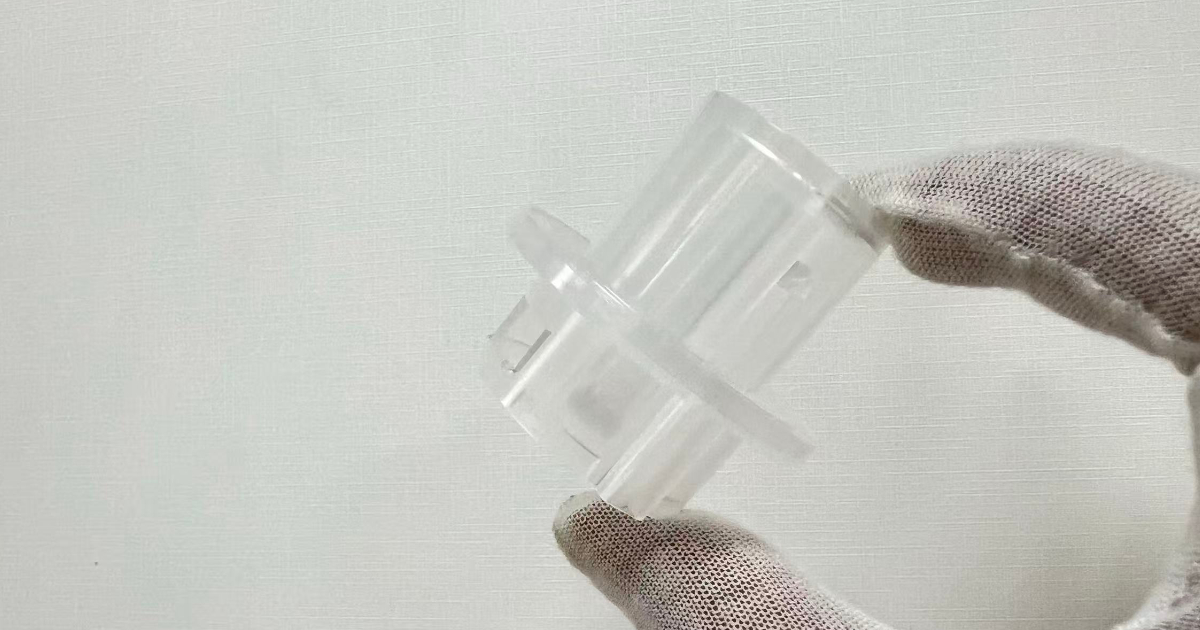
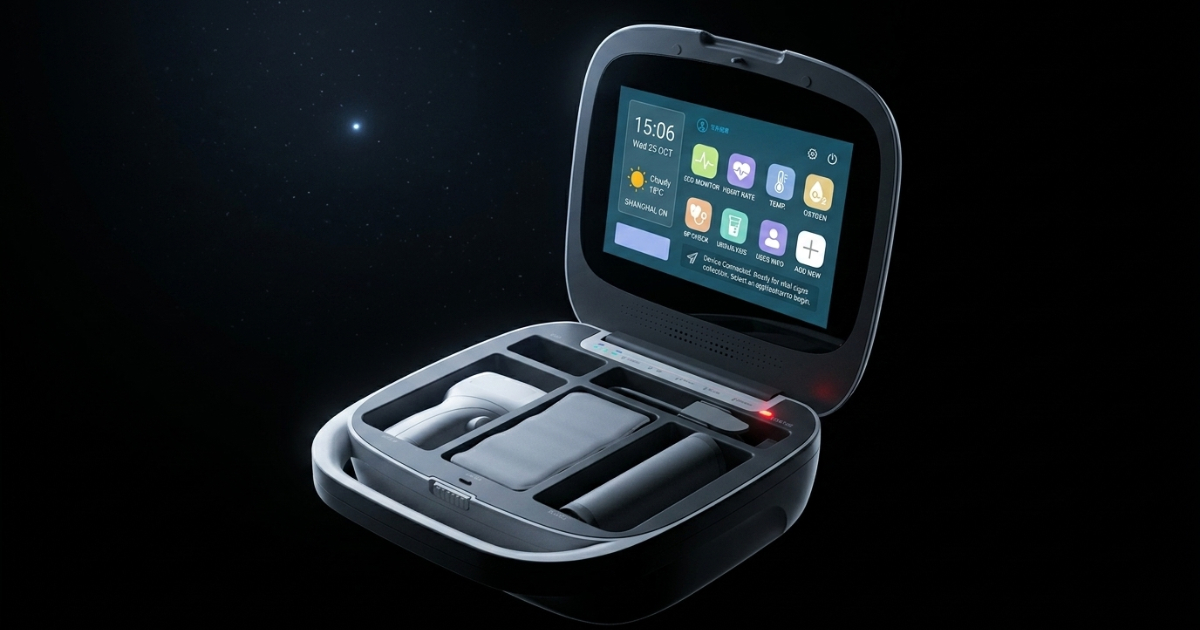
A medical device OEM developing a portable point-of-care diagnostic analyzer required a two-part plastic housing for the device enclosure. The housing needed to be produced in USP Class VI polycarbonate, molded in an ISO 8 clean room environment, and supported by full lot traceability documentation to support the client’s 510(k) submission and Device History Record.
The device enclosure is a Class II medical device component — non-implantable, patient-facing, requiring surface biocompatibility and resistance to hospital-grade disinfectants.
Part Specifications
| Parameter | Specification |
|---|---|
| Assembly | 2-piece clamshell enclosure (top + bottom) |
| Part dimensions | Top: 210 × 210 × 10mm / Bottom: 210 × 210 × 55mm |
| Wall thickness | 2.0mm nominal |
| Material | SABIC Lexan 940 PC, medical grade, USP Class VI |
| Surface finish | SPI B1 (semi-gloss) exterior, SPI C1 interior |
| Cosmetic standard | Zero visible defects on all exterior faces |
| Disinfectant resistance | IPA 70%, Quaternary ammonium compounds |
| Annual volume | 15,000 assemblies (30,000 parts) |
| Cleanroom requirement | ISO 8 / Class 100,000 |
Engineering Approach
Material Selection and Compliance
The client initially specified standard ABS for the housing. Our engineering review identified two issues:
- Standard ABS does not have USP Class VI certification — required for medical device enclosures; medical-grade ABS is available but limited in transparency.
- The client’s disinfectant protocol included IPA 70% wipe-down — and ABS has limited resistance to IPA, risking surface stress cracking on the exterior.
We recommended SABIC Lexan 940 PC — a medical-grade polycarbonate with USP Class VI certification, excellent IPA and quaternary ammonium resistance, and the ability to achieve the semi-gloss cosmetic surface the client required. The Lexan 940 datasheet and USP Class VI compliance certificate were included in our material qualification package.
Mold Design for Cosmetic PC Parts
Polycarbonate is among the most demanding materials to mold for Class A cosmetic surfaces. Key design decisions:
Gate type: Valve gate hot runner on both tools — eliminates cold sprue, minimises gate witness mark to a flush depression <0.2mm, and avoids cold slug contamination on cosmetic surfaces.
Steel grade: S136 stainless steel (equivalent to 420SS), hardened to 50 HRC. S136 resists the corrosion associated with PC off-gassing at processing temperatures and polishes to SPI B1 consistently.
Venting: Comprehensive parting-line venting at 0.015mm depth to prevent burn marks and short shots — PC off-gases at processing temperature and inadequate venting causes brown streaks on cosmetic surfaces.
Cooling: Balanced cooling on both halves, with the cavity side (exterior cosmetic face) set 5°C cooler than the core to bias the part toward the non-cosmetic side during shrinkage.
Clean Room Production Protocol
Both molds are dedicated to the ISO 8 clean room molding cell at JBRplas. The production protocol includes:
- 48-hour resin drying at 120°C before each production run
- Personnel gowning (hairnet, cleanroom suit, gloves, shoe covers)
- Automated part removal directly to antistatic bag inside the clean room
- Particle count verification at the start of each shift
- First-off cosmetic inspection under 500 lux directional lighting
Tooling Details
| Parameter | Top Housing | Bottom Housing |
|---|---|---|
| Mold type | 1-cavity hot runner, valve gate | 1-cavity hot runner, valve gate |
| Steel | S136, 50 HRC | S136, 50 HRC |
| Runner | Synventive hot tip | Synventive hot tip |
| Gate | Valve gate, Ø1.5mm tip | Valve gate, Ø1.5mm tip |
| Ejection | Stripper plate | Stripper plate |
| Surface | SPI B1 per surface finish standards | SPI B1 cavity face (exterior) |
Stripper plate ejection (rather than ejector pins) was specified to avoid any ejector pin witness marks on the exterior surfaces of the housing.
Documentation Delivered
For each production lot, JBRplas provides:
| Document | Content |
|---|---|
| Certificate of Conformance | Lot number, quantity, material, inspection pass |
| Material Certificate | SABIC Lexan 940, lot number, USP Class VI cert |
| First Article Inspection Report | All 28 drawing dimensions, measured and recorded |
| Dimensional Report | CMM data, Cp/Cpk for 6 critical dimensions |
| Process Record | Injection parameters for the approved production run |
| Clean Room Production Log | Particle count, personnel, shift, machine number |
This documentation package was submitted to the client’s Quality team and referenced in their 510(k) submission to the FDA.
Results
| Metric | Target | Achieved |
|---|---|---|
| Cosmetic rejects | <0.5% | 0.18% |
| Dimensional Cpk (critical) | ≥1.33 | 1.58 (top) / 1.71 (bottom) |
| T1 lead time | 25 days | 24 days |
| Disinfectant resistance | Pass IPA 70%, Quat ammonium | ✅ Pass |
| USP Class VI compliance | Required | ✅ Certified (Lexan 940) |
| Documentation for DHR | Full package | ✅ Delivered |
The client submitted their 510(k) application 8 weeks after receiving the production sample approval package. The device received FDA clearance and entered commercial launch. JBRplas continues to supply production quantities under a Kanban replenishment agreement.
This case study demonstrates JBRplas’s capability for cosmetic medical device enclosures in polycarbonate — including clean room production, material compliance management, and full documentation support for regulatory submissions.