Rapid Tooling & Prototype Molding | Fast Turnaround | JBRplas
Fast injection mold making and prototype molding in Shenzhen — aluminum and P20 soft tooling, T1 samples in 12–18 business days. Quick-turn plastic parts for product validation, clinical trials, and bridge production.
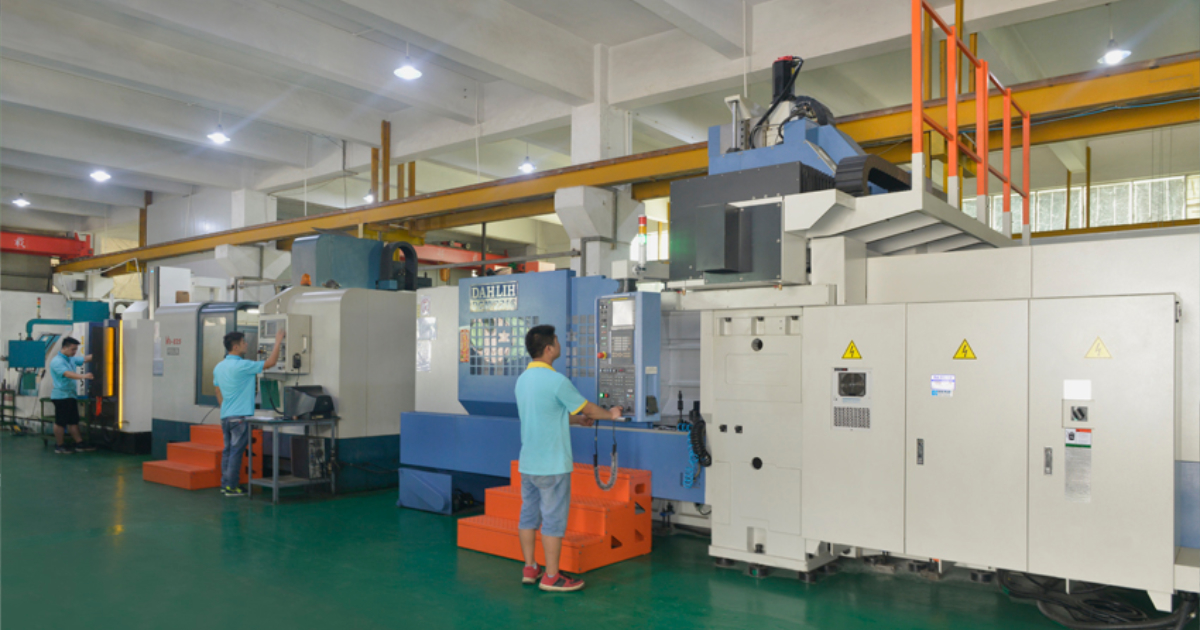
Rapid Tooling & Prototype Injection Molding
When you need injection-molded parts for product validation, clinical trials, trade show samples, or bridge production — and you need them in weeks, not months — rapid tooling is the answer. JBRplas delivers T1 samples in 12–18 business days from design approval using aluminum or P20 soft tooling optimized for speed.
These are not 3D-printed mockups. They are production-grade injection-molded parts — same material, same surface finish, same dimensional accuracy as a hardened production mold. The only difference is the tooling is designed for speed and limited shot life, not million-cycle longevity.
Rapid Tooling Options
| Aluminum Tool | P20 Soft Tool | |
|---|---|---|
| T1 lead time | 12–18 business days | 18–22 business days |
| Shot life | 1,000–5,000 | 50,000–300,000 |
| Steel hardness | N/A (7075-T6 aluminum) | 28–34 HRC |
| Cavities | Single cavity | Single or 2-cavity |
| Surface finish | SPI B2 to A3 | SPI B1 to VDI texture range |
| Best for | ABS, PP, PC (non-abrasive) | All commodity and most engineering resins |
| Limitations | Not for glass-filled or corrosive resins | Not for PVC (use S136) |
| Relative tooling cost | $ | $$ |
Aluminum Tooling
For prototype builds, concept validation, and very small production runs where speed is the priority and shot life under 5,000 is acceptable:
- Material: 7075-T6 or 6061-T6 aluminum — machines 3–4× faster than steel
- Best for: ABS, PP, PC, unfilled PA — non-abrasive, non-corrosive resins
- Not for: Glass-filled grades, PVC, PEEK, or any resin with processing temperature above 280°C
- Typical part range: 5–200g shot weight, simple to moderate geometry
- Lead time driver: Part complexity, not mold type — deep ribs, multiple undercuts, or high polish add days
P20 Soft Tooling
For pilot production, clinical trials, bridge tooling, and programs up to 300,000 total parts — faster than hardened H13, more durable than aluminum:
- Material: P20 (718H) pre-hardened steel, 28–34 HRC
- Best for: All standard and engineering resins including filled grades (GF15–GF30)
- Cavity count: Single or 2-cavity
- Surface finish: Full range — SPI B1 semi-gloss to VDI 36 texture
- Lead time driver: Cavity count and surface finish — 2-cavity adds 3–5 days; mirror polish adds 2–3 days
When to Choose Rapid Tooling
| Scenario | Volume | Why Rapid |
|---|---|---|
| Product validation / beta testing | 500–5,000 | Test form, fit, and function with production material before committing to $30K+ tooling |
| Medical device pre-clinical trials | 500–3,000 | ISO 13485 production-intent parts for IRB/ethics submission and trial use |
| Trade show / customer samples | 200–1,000 | Production-quality cosmetic parts 3 weeks before the show deadline |
| Bridge production | 5,000–50,000 | Supply production parts while the hardened multi-cavity tool is being built |
| Market test / limited launch | 2,000–20,000 | Test market response with production parts before authorizing full tooling investment |
| Replacement / service parts | 500–10,000 | Low-annual-volume parts where production mold cost isn’t justified |
Lead Time Breakdown
| Phase | Aluminum | P20 Soft |
|---|---|---|
| DFM report | 1–2 business days | 1–2 business days |
| Mold design | 1–3 business days | 1–3 business days |
| Customer approval | 1–2 business days | 1–2 business days |
| Mold manufacture | 7–12 business days | 12–16 business days |
| T1 sampling | 2–3 business days | 2–3 business days |
| Total (design sign-off to T1) | 12–18 business days | 18–22 business days |
T1 samples ship within the committed window. For urgent programs, we can compress the manufacturing phase by allocating additional CNC capacity — contact us to discuss accelerated timelines.
Material Availability
All standard engineering and commodity thermoplastics are available for rapid tooling programs. We stock over 500 resin grades in small-bag (25kg) quantities for short-run production — no minimum material purchase.
| Material | Aluminum Tool | P20 Soft Tool |
|---|---|---|
| ABS, ABS FR | Good | Good |
| PC, PC/ABS | Good | Good |
| PP, PE | Good | Good |
| PA6, PA66 (unfilled) | Acceptable | Good |
| PA66-GF30 | Not recommended | Good |
| POM | Acceptable | Good |
| PBT-GF30 | Not recommended | Good |
| PMMA (Acrylic) | Acceptable | Good |
| TPE, TPU | Good | Good |
| PEEK | No | Acceptable |
Glass-filled and mineral-filled grades are abrasive — aluminum tooling wears rapidly, producing dimensional drift within dozens of shots. For filled materials, P20 soft tooling is the minimum.
Quality at Speed
Rapid tooling does not mean rapid quality compromise. Every prototype and rapid tooling project at JBRplas follows the same quality process:
- DFM report — identifying potential issues before steel is cut
- Moldflow simulation — fill and warp analysis on every project (aluminum or P20)
- T1 sampling — production-grade resin used, process parameters recorded
- FAI report — all drawing dimensions measured on CMM, provided with samples
- Material certificate — resin lot traceability per batch
The parts you receive from rapid tooling are dimensionally and cosmetically identical to what you would receive from a hardened production mold. The difference is the mold is built for speed and limited shot life — not for a million cycles.
From Rapid to Production
The most common path JBRplas manages: rapid aluminum tool for 2,000 validation parts → P20 bridge tool for 20,000 market-entry parts → H13 multi-cavity production tool for 500,000+ annual volume. Because all three phases happen under the same roof, process data, material behaviour records, and dimensional inspection history transfer directly — no re-validation, no new supplier qualification.
Need more than 5,000 parts? See Low Volume Manufacturing →
Frequently Asked Questions
How fast can you really deliver T1 samples? 12–18 business days for aluminum tooling, 18–22 for P20 soft tooling — measured from design sign-off to T1 samples shipped. These are committed timelines, not estimates. For urgent programs, we can discuss accelerated schedules.
Is rapid tooling part quality the same as production tooling? Yes. Parts from P20 soft tooling are dimensionally and cosmetically identical to hardened H13 production molds. Parts from aluminum tooling match production quality for non-abrasive, non-corrosive resins. The only difference is tool life.
What is the cost difference vs 3D printing? Rapid injection molding costs more upfront than 3D printing (tooling investment) but produces parts in the actual production material at production tolerances. For more than 50–100 parts, rapid tooling is typically more economical than printing. For validation where material properties matter — snap-fits, living hinges, chemical resistance — injection molding is the only option that provides representative results.
Can you do rapid tooling for medical devices? Yes. Our ISO 13485 certification covers rapid tooling programs. We can produce biocompatible-material parts in an ISO 8 clean room for pre-clinical and clinical trial use, with full lot traceability and documentation for regulatory submissions.
What file formats do you accept for rapid tooling? STEP (.stp/.step), IGES (.igs), SolidWorks (.sldprt/.sldasm), UG NX (.prt), Pro/E (.prt). 2D drawings in PDF or DWG. STL accepted for rough quoting only.
Related
- Industries: Automotive, Electronics & Appliances, Smart Home
- Related services: Mold Manufacturing, Low Volume Manufacturing, Injection Molding
- Further reading: How We Work, Why Choose JBRplas
Request a rapid tooling quote — DFM feedback within 24 hours →
You may also be interested in
Custom Plastic Injection Molding Services
JBRplas operates a 24/7 injection molding …
High Volume Plastic Injection Molding
At 100,000 pieces per year, a molding program …
Plastic Mold Manufacturing in Shenzhen
JBRplas operates a fully equipped toolroom in …