Custom Plastic Housing Manufacturer
Custom injection molded plastic housings for electronic devices, medical equipment, industrial products, and consumer electronics — from mold design and tooling to mass production.
Capability Snapshot
What a housing program covers at JBRplas — tooling, molding, finishing, and assembly under one roof.
| Capability | JBRplas |
|---|---|
| Mold Development | In-house mold design & tooling |
| Injection Molding | 27 machines, 90–650T |
| Materials | 500+ qualified resins |
| Mold Types | Multi-cavity / Hot runner / 2K / Overmolding |
| Surface Finishing | Painting / Printing / Texturing |
| Assembly | Component assembly & packaging |
| Quality | ISO 9001 / ISO 13485 |
What Is a Plastic Housing?
The molded outer shell that gives a product its appearance and protects what is inside.
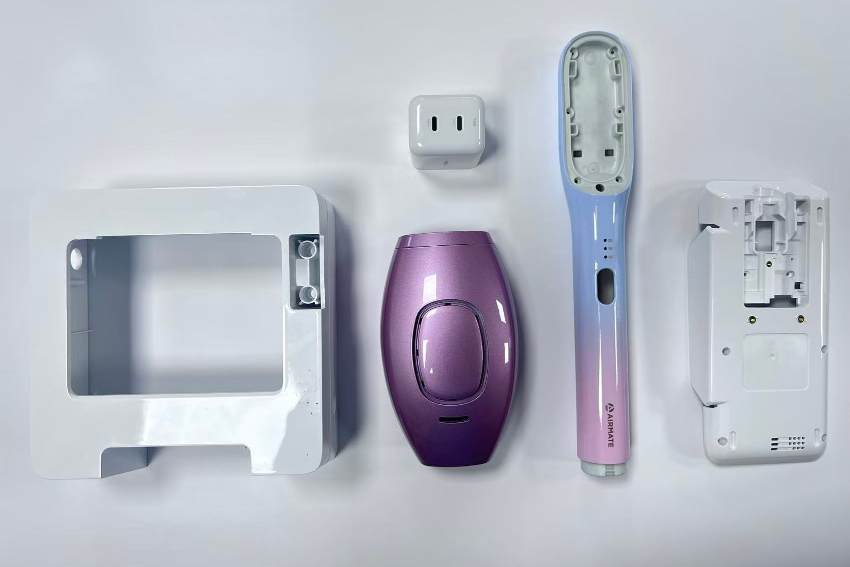
An injection molded plastic housing is the outer component that protects and supports the internal parts of a product — electronic devices, medical equipment, industrial controls, consumer products, and automotive electronics. A housing carries the cosmetic surface on the outside and molded-in features such as bosses, ribs, and snap fits on the inside, so a housing program covers appearance, fit, and function in one part.
Common Housing Components
Types of Plastic Housings We Manufacture
Six housing families we tool and mold — each shaped by the industry, environment, and assembly it serves.
Electronic Device Housings
Shells for POS terminals, chargers, microphones, and wireless devices — cosmetic surfaces, molded-in mounting features, and shielding provisions.
Typical applications: POS terminals · chargers · microphones · wireless devices
Medical Device Housings
Enclosures for glucose meters, diagnostic equipment, and monitoring devices, molded in medical-grade resins under ISO 13485.
Typical applications: glucose meters · diagnostic equipment · monitoring devices
Industrial Equipment Housings
Housings for sensors, controllers, and networking equipment with cutouts, sealing features, and UV-stable or flame-retardant grades.
Typical applications: sensors · controllers · networking equipment
Consumer Product Housings
Beauty devices, smart devices, and portable electronics in Class A cosmetic surfaces — high-gloss, textured, or painted.
Typical applications: beauty devices · smart devices · portable electronics
Automotive Electronic Housings
Housings for sensors, control modules, and diagnostic equipment, molded in PA, PBT, and glass-filled grades with PPAP documentation.
Typical applications: sensors · control modules · diagnostic equipment
Two-Piece Plastic Housings
Upper and lower shells molded as a matched set — screw bosses, snap fits, alignment features, sealing surfaces, and a controlled parting line, joined by screws, snap fits, or ultrasonic welding.
Plastic Housing Design & Manufacturing Challenges
Six issues that decide whether a housing molds consistently and looks right at volume.
Wall Thickness
Consistent wall thickness helps control filling, cooling, shrinkage, and warpage across a large housing surface.
Warpage Control
Cooling balance, gate location, material shrinkage, and rib design determine whether a housing stays flat.
Bosses & Ribs
Screw bosses, mounting bosses, reinforcing ribs, and locating features designed for moldability — not added after the fact.
Snap-Fit Design
Snap-fit structures reduce assembly components and improve assembly efficiency on screwless housings.
Surface Finish
SPI and VDI textures, polishing, EDM texture, painting, and printing for housings visible in the finished product.
Parting Line
Parting lines are positioned to minimize their visual impact while maintaining moldability and tool reliability.
Plastic Housing Manufacturing Process
Ten stages from your 3D files to packed housings — engineering, tooling, molding, finishing, and assembly under one roof.
- 01 3D CAD STEP / IGES housing review
- 02 DFM Review Moldability and cosmetic feedback
- 03 Mold Design Cavitation, runner, cooling, slides
- 04 Tool Manufacturing CNC, EDM, spotting
- 05 Mold Trial T1 samples and FAI report
- 06 Injection Molding 27 presses, 90–650T
- 07 Surface Finishing Paint, print, laser, texture
- 08 Assembly Snap fits, ultrasonic welding, inserts
- 09 Inspection Dimensional and cosmetic
- 10 Packaging Export packing and worldwide shipping
Plastic Materials for Injection Molded Housings
Eight resin families we run for housings, matched to the application rather than the datasheet.
| Material | Typical Housing Applications |
|---|---|
| ABS | Consumer electronics, appliance housings |
| PC | Electronic and impact-resistant housings |
| PC/ABS | Electronic devices and equipment |
| PP | Lightweight products and chemical-resistant applications |
| PA | Engineering housings and structural applications |
| POM | Precision components rather than typical outer housings |
| PEEK | High-performance housings for demanding environments |
| GF-reinforced materials | Structural and high-strength applications |
Advanced Manufacturing for Plastic Housings
Tooling and molding options for housing programs — cavity count, material combinations, and production environment.
Multi-Cavity Housing Molds
4, 8, and 16-cavity tooling with balanced filling for high-volume housing production.
Overmolded Housings
TPE and TPU overmolding on rigid shells — grips, seals, and gaskets molded directly onto the housing.
2K / Two-Color Housings
Two-shot molding in one cycle — hard-soft combinations, multi-color surfaces, and integrated functions.
Insert-Molded Housings
Metal inserts, bushings, and shielding molded into the housing during the cycle.
Precision Housings
Tight-tolerance housings with documented process capability — CMM inspection and SPC on critical dimensions.
Cleanroom Molded Housings
ISO 8 cleanroom molding for medical and precision housings with full lot traceability.
Plastic Housing Case Studies
Housing programs with published specs — part type, material, industry, and molding process.
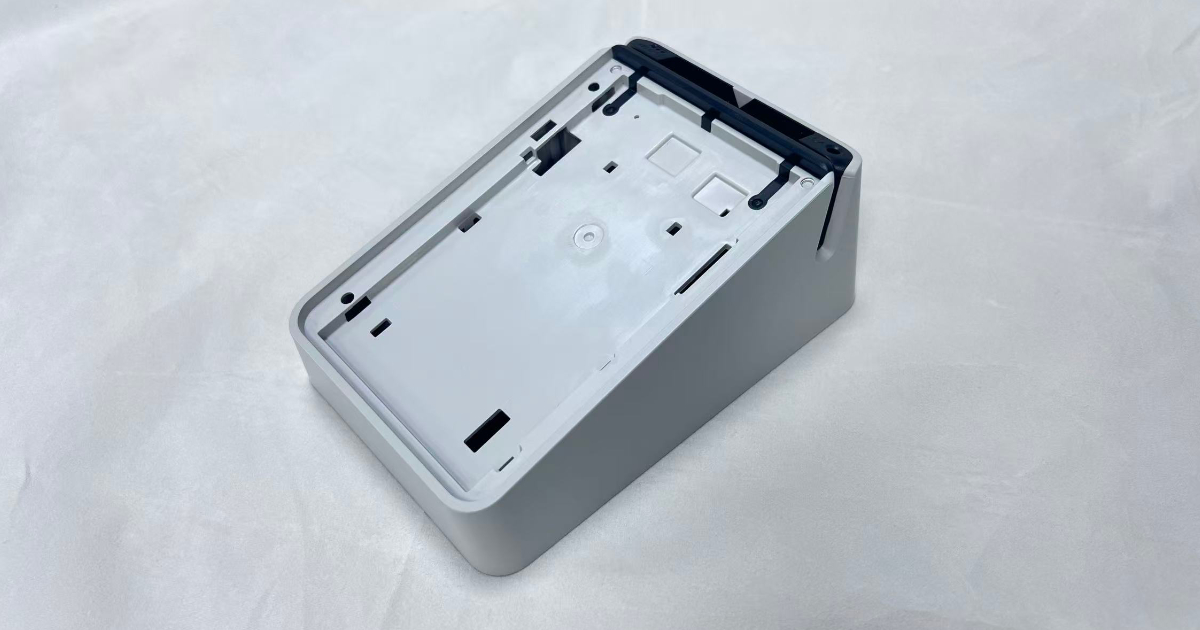
POS Terminal Housing
Financial Devices · Two-shot · insert molding
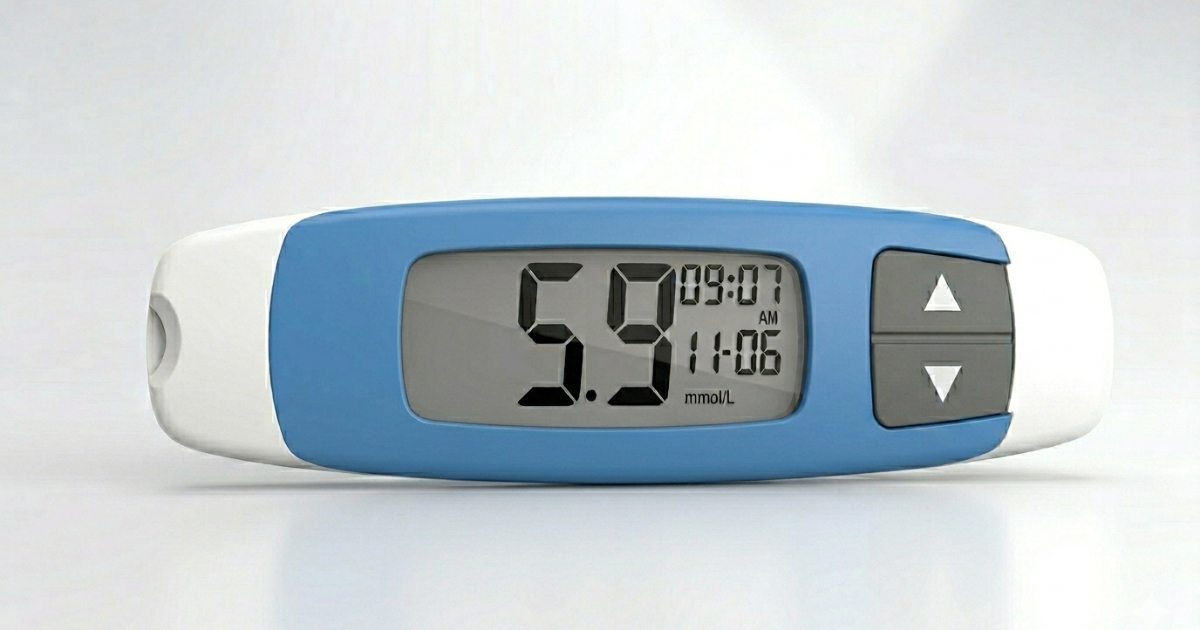
Blood Glucose Meter Housing
Health Care · 2-cavity · ISO 13485

Smart Meeting Recorder Housing
Consumer Electronics · Four-direction slides
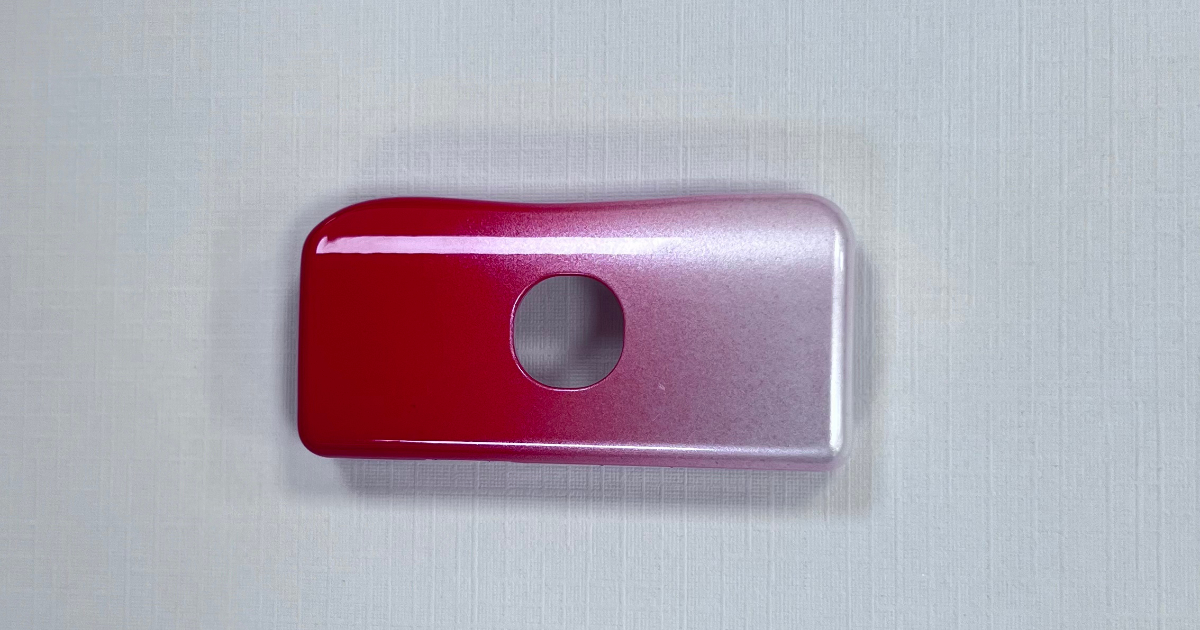
Portable Microphone Housing
Consumer Electronics & Audio Equipment · 16-cavity
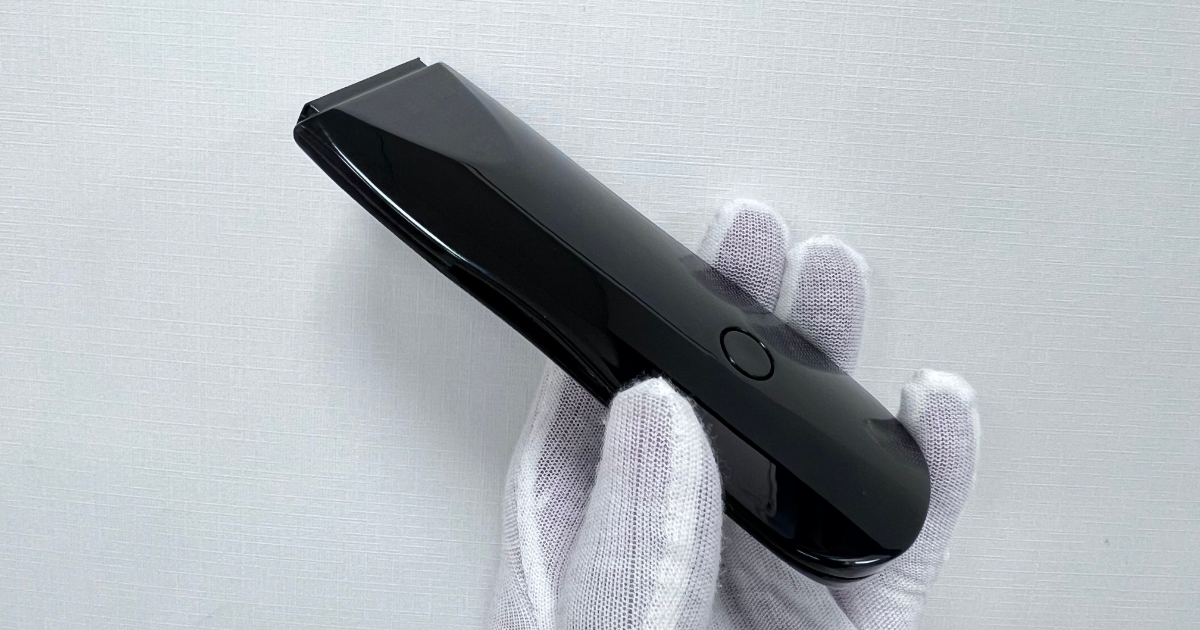
Facial Pore Cleanser Housing
Personal Care & Beauty Devices · 2-cavity
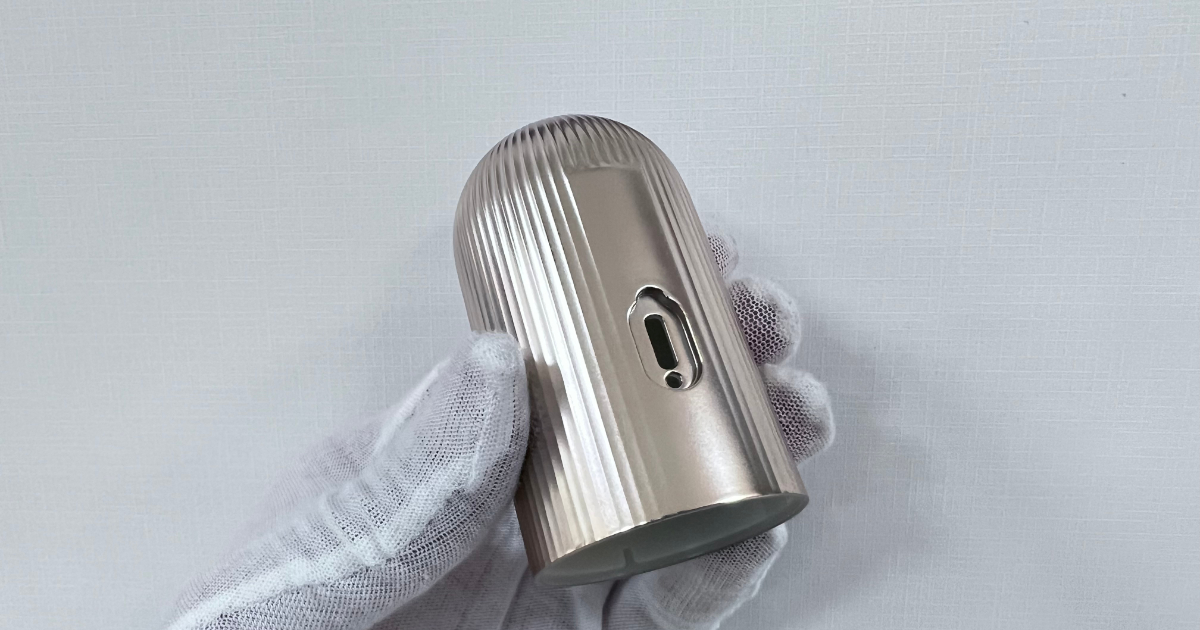
Beauty Device Housing
Personal Care & Beauty Electronics · 1-cavity
What Determines Plastic Housing Cost?
Housing cost splits into tooling and piece price — these are the variables a housing quote depends on.
Mold Cost
- ✓Part size
- ✓Complexity
- ✓Number of cavities
- ✓Mold steel
- ✓Hot runner
- ✓Slides / lifters
- ✓Surface texture
- ✓Mold life
Part Cost
- ✓Resin
- ✓Cycle time
- ✓Machine size
- ✓Labor
- ✓Secondary operations
- ✓Assembly
- ✓Annual volume
What We Need to Quote Your Plastic Housing
Send these six items and we can evaluate the housing design, tooling requirements, and production process.
3D CAD File
STEP, STP, or IGES of the housing and its mating parts.
2D Drawing
Dimensions, tolerances, and surface finish requirements.
Material
The specified resin, or the application requirements if the grade is open.
Annual Volume
Sets cavity count, mold steel, automation, and cycle time.
Surface Finish
SPI or VDI finish, texture, painting, and printing requirements.
Assembly Requirements
Screws, inserts, ultrasonic welding, labels, and printing.
Plastic Housing Manufacturing FAQ
Procurement questions we answer most often on housing programs.
What is the difference between a plastic housing and an enclosure?
A housing is the molded outer component that protects and supports a product's internal parts — usually a close-fitting shell with cosmetic surfaces, ribs, bosses, and snap fits. An enclosure generally means a larger two-part or multi-part box with controlled wall thickness and mounting features, built for networking, industrial, and appliance equipment. Both are injection molded; the difference is part size, assembly structure, and how much of the product's appearance the part carries.
What materials are commonly used for injection molded housings?
ABS and PC cover most electronic and consumer housings, PC/ABS balances impact resistance and flow for device shells, PP suits lightweight and chemical-resistant products, and PA or glass-filled grades are used for structural and engineering housings. PEEK is specified for demanding environments such as sensor housings. JBRplas molds 500+ qualified grades, including UL V-0 flame-retardant and medical-grade USP Class VI resins.
Can JBRplas manufacture two-piece plastic housings?
Yes. Front and rear — or upper and lower — shells are molded as a matched set with alignment features, screw bosses, snap fits, and sealing surfaces, then joined by screws, snap fits, or ultrasonic welding. The blood glucose meter housing is a two-piece handheld enclosure with a ±0.03mm test strip slot molded in medical-grade ABS.
Can you manufacture the mold and injection mold the housing?
Yes — mold design, tool manufacturing, T1 sampling, and production molding are all in house. JBRplas runs 27 injection molding machines from 90T to 650T, so the tool and its production press are specified together.
Can plastic housings be painted or printed?
Yes. Secondary operations include painting — including high-gloss UV and gradient finishes — pad printing, silk-screen printing, laser marking, and SPI / VDI texture applied to the mold. The facial pore cleanser housing uses a mirror-polished cavity with high-gloss UV coating, and the portable microphone housing uses a red-purple gradient spray finish.
Can you manufacture high-volume plastic housings?
Yes — multi-cavity hot runner tools with 4, 8, and 16 cavities run on presses up to 650T. The portable microphone housing runs a 16-cavity PC/ABS tool, and the smart meeting recorder housing tool is rated for 500,000 shots.
Can you add snap fits, ribs, and screw bosses to a housing?
Yes — these are molded-in features designed during DFM and mold design: snap-fit joints for screwless assembly, ribs for stiffness without added wall thickness, and screw or mounting bosses sized to avoid sink marks on visible surfaces. Draft, wall thickness, and parting line position are reviewed for each feature.
Can you assemble the housing with internal components?
Yes. Assembly and packaging are part of the scope: ultrasonic welding, threaded insert installation, hardware, labels, and printing, followed by inspection and export packaging. Assembled housings ship ready for your production line.