Custom Plastic Enclosure Manufacturer
Custom injection molded plastic enclosures for electronics, electrical equipment, industrial controls, networking devices, and other applications — from enclosure design and tooling to high-volume production.
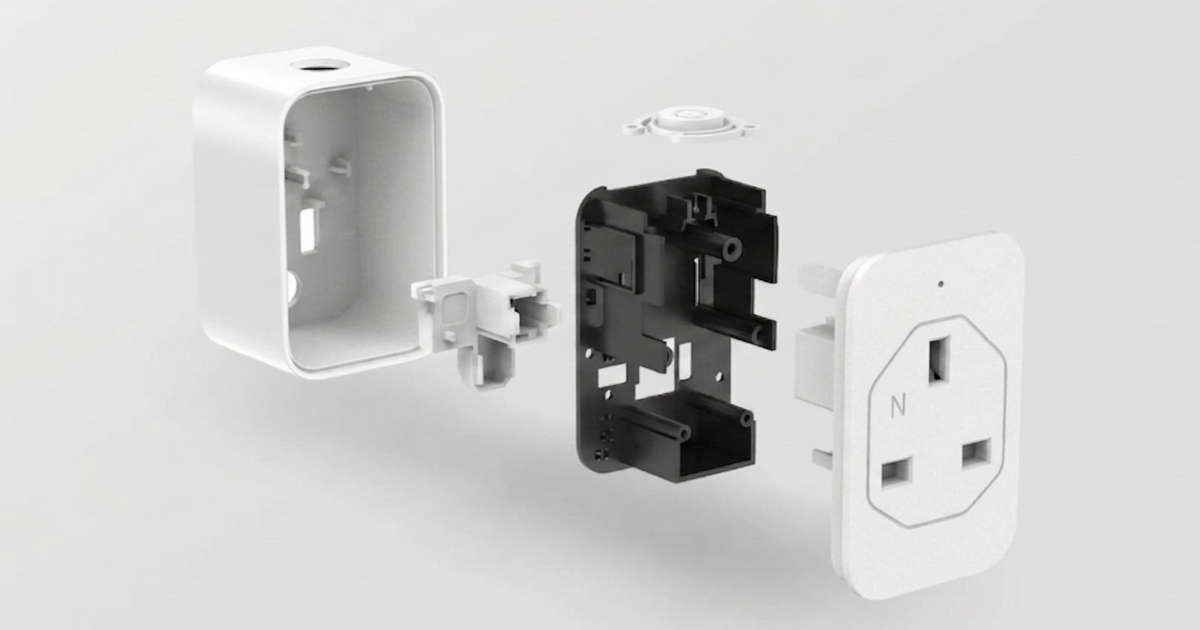
Plastic Enclosure Manufacturing Capabilities
What an enclosure program covers at JBRplas — six structures and processes, tooled and molded in house.
Custom Injection Molding
Injection molding programs specified around enclosure size, material, and annual volume — tooling and production run together on 27 presses from 90T to 650T.
Two-Piece Enclosures
Upper and lower shells molded as a matched set with alignment features, a controlled parting line, and assembly provisions.
Snap-Fit Enclosures
Screwless assembly with molded-in snap-fit joints — cantilever and annular designs reviewed for strain during DFM.
Screw-Mounted Enclosures
Screw bosses, threaded inserts, and mounting posts designed to take repeated assembly without sink marks on visible surfaces.
Sealed Enclosures
Gasket grooves, sealing surfaces, and compression interfaces for projects with water, dust, or environmental protection requirements.
Overmolded Enclosures
Hard shells with TPE or TPU overmolding for grips, sealing lips, and soft-touch surfaces, molded in one production cycle.
Applications for Custom Plastic Enclosures
Where molded enclosures go to work — electronics, industrial equipment, electrical controls, networking, instruments, and consumer devices.
Electronics Enclosures
Enclosures for electronic devices, control boards, communication equipment, and IoT devices — cutouts and mounting provisioned around the PCB.
Typical applications: electronic devices · control boards · communication equipment · IoT devices
Industrial Enclosures
Housings for controllers, sensors, monitoring equipment, and automation equipment used on machinery and production lines.
Typical applications: controllers · sensors · monitoring equipment · automation equipment
Electrical Enclosures
Protection for electrical controls, power equipment, and junction or control components, molded in flame-retardant grades.
Typical applications: electrical controls · power equipment · junction and control components
Networking Enclosures
Enclosures for routers, communication equipment, and wireless devices with provisions for antennas, connectors, and cable routing.
Typical applications: routers · communication equipment · wireless devices
Measurement & Instrument Enclosures
Housings for meters, sensors, and diagnostic instruments — mounting and interface features built around the electronics inside.
Typical applications: meters · sensors · diagnostic instruments
Consumer Device Enclosures
Enclosures for smart devices, chargers, and personal electronics, from single-part designs to matched shell sets.
Typical applications: smart devices · chargers · personal electronics
Types of Plastic Enclosures We Manufacture
Eight enclosure families we tool and mold — each shaped by what it protects and where it is installed.
| Type | Typical Application |
|---|---|
| Electronic Enclosures | Electronics and control devices |
| Industrial Enclosures | Industrial equipment |
| Electrical Enclosures | Electrical components and controls |
| Sensor Enclosures | Sensors and monitoring devices |
| Control Box Enclosures | Industrial automation |
| Networking Enclosures | Communication equipment |
| Portable Enclosures | Handheld and battery-powered devices |
| Two-Piece Enclosures | Electronic and industrial equipment |
Plastic Housing vs. Plastic Enclosure
The two part families are molded the same way but specified differently — this is where a program should start.
| Plastic Housing | Plastic Enclosure | |
|---|---|---|
| Primary purpose | Forms the outer body of a product | Protects and contains internal equipment |
| Typical products | POS terminals, medical devices, consumer products | Controllers, sensors, electronics, industrial equipment |
| Main concerns | Appearance, fit, assembly | Protection, mounting, sealing, accessibility |
| Common features | Snap fits, bosses, ribs | Mounting posts, gaskets, cable openings, fasteners |
| Typical requirements | Cosmetic finish and dimensional fit | Protection and functional integration |
Plastic Enclosure Design Considerations
Eight design topics that decide whether an enclosure protects reliably and molds consistently.
Wall Thickness
Wall thickness controls filling, shrinkage, warpage, and cooling — the first check on any enclosure drawing.
Ribs & Bosses
Ribs and bosses support PCB mounting, hold internal components, and reinforce structure without heavy solid walls.
Mounting Features
Mounting posts, mounting holes, screw bosses, and threaded inserts positioned for assembly and service access.
Cable & Connector Openings
USB, Type-C, Ethernet, power connector, and cable exit openings — their positions drive parting line, slides, and mold complexity.
Sealing & Gaskets
Gasket grooves, sealing surfaces, and compression interfaces designed where a project specifies environmental protection.
Snap-Fit Assembly
Snap-fit joints for fast assembly on enclosures that need to open, close, or be serviced.
EMI & Shielding
Conductive coatings, metal shielding, and internal shielding structures for electronic enclosures.
Surface Finish
Textured, matte, or painted surfaces, silk screening, and laser marking matched to how the equipment is used.
Plastic Enclosure Manufacturing Technologies
Depending on enclosure design and production requirements, JBRplas can evaluate multi-cavity tooling, overmolding, insert molding, 2K molding, and other manufacturing approaches.
Injection Molding
Production molding on 27 presses from 90T to 650T.
Multi-Cavity Molds
4, 8, and 16-cavity tooling with balanced filling for enclosure volumes.
Overmolding
TPE and TPU overmolding for grips, sealing lips, and soft-touch surfaces.
Insert Molding
Metal inserts, bushings, and mounting hardware molded in during the cycle.
2K Molding
Two-component molding in one cycle for hard-soft and multi-color enclosures.
Precision Molding
Tight-tolerance enclosures with documented process capability and CMM inspection.
Cleanroom Molding
ISO 8 cleanroom molding with full lot traceability.
High-Volume Production
Automated molding for long-running enclosure programs.
Plastic Materials for Enclosures
Material selection depends on impact resistance, temperature, chemical exposure, flame requirements, appearance, and production volume.
| Material | Typical Enclosure Applications |
|---|---|
| ABS | Consumer electronics and general-purpose enclosures |
| PC | Enclosures that need higher impact resistance |
| PC/ABS | Common choice for electronic equipment enclosures |
| PP | Lightweight or chemically resistant applications |
| PA / Glass-Filled PA | Structural and load-bearing enclosures |
| Flame-Retardant Grades | Electronic and electrical applications with UL V-0 requirements |
From Enclosure Design to Mass Production
Eleven stages from your requirements to packed enclosures — engineering, tooling, molding, finishing, and assembly under one roof.
- 01 Enclosure Requirements Dimensions, environment, mounting, interfaces
- 02 3D CAD Review STEP / IGES files and engineering review
- 03 DFM Analysis Moldability, openings, sealing feedback
- 04 Mold Design Cavitation, runners, cooling, slides
- 05 Tool Manufacturing CNC, EDM, spotting
- 06 T1 Mold Trial First-article samples and report
- 07 Injection Molding 27 presses, 90–650T
- 08 Finishing Texture, painting, printing, laser
- 09 Assembly Inserts, gaskets, hardware, ultrasonic welding
- 10 Inspection Dimensional and functional checks
- 11 Mass Production Repeat production and export packing
Common Features of Injection Molded Plastic Enclosures
Molded-in features that make an enclosure mount, seal, and assemble the way the equipment inside needs.
Screw Bosses
Bosses sized for self-tapping or machine screws without sink marks on the opposite face.
Mounting Posts
Posts that locate and support PCBs or internal assemblies.
Snap Fits
Cantilever or annular joints for screwless assembly.
Cable Openings
Molded exits for cables and wiring, positioned for assembly access.
Connector Cutouts
USB, Type-C, Ethernet, and power cutouts molded to drawing.
Gasket Grooves
Molded channels that locate and compress a gasket.
Ribs
Stiffening ribs that add rigidity without thick walls.
Inserts
Threaded inserts or bushings molded in for repeatable fastening.
Plastic Enclosure Case Studies
Enclosure programs with published specs — part type, material, industry, and molding process.
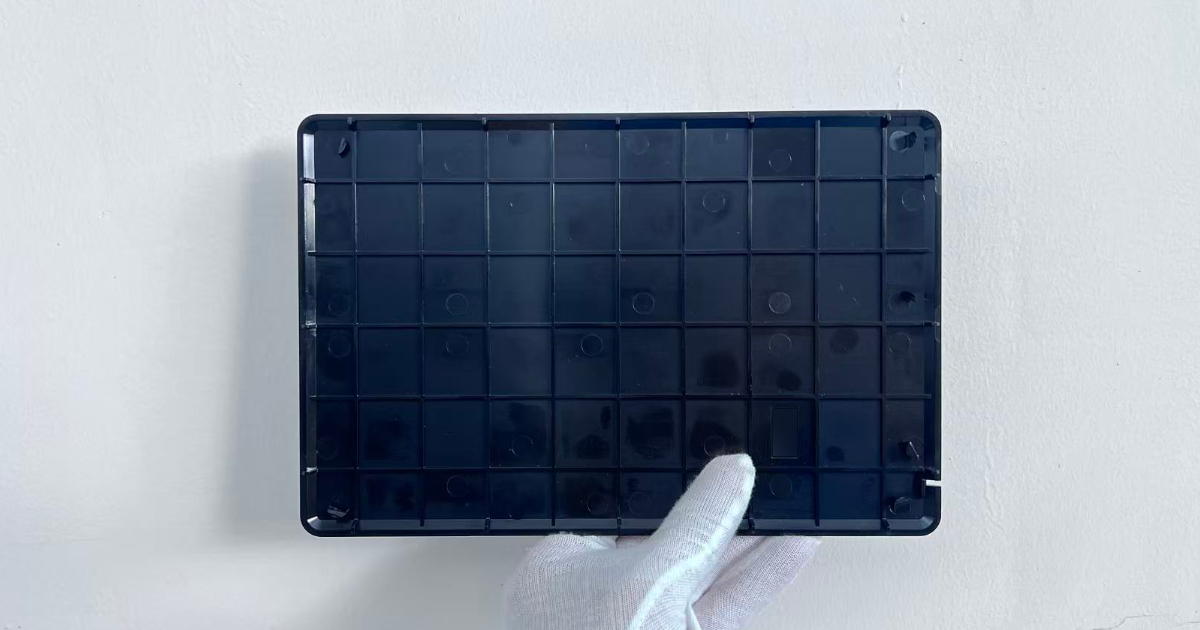
Cabin Wireless Access Point Enclosure
Aerospace & Avionics · 1-cavity · DO-160G Category A
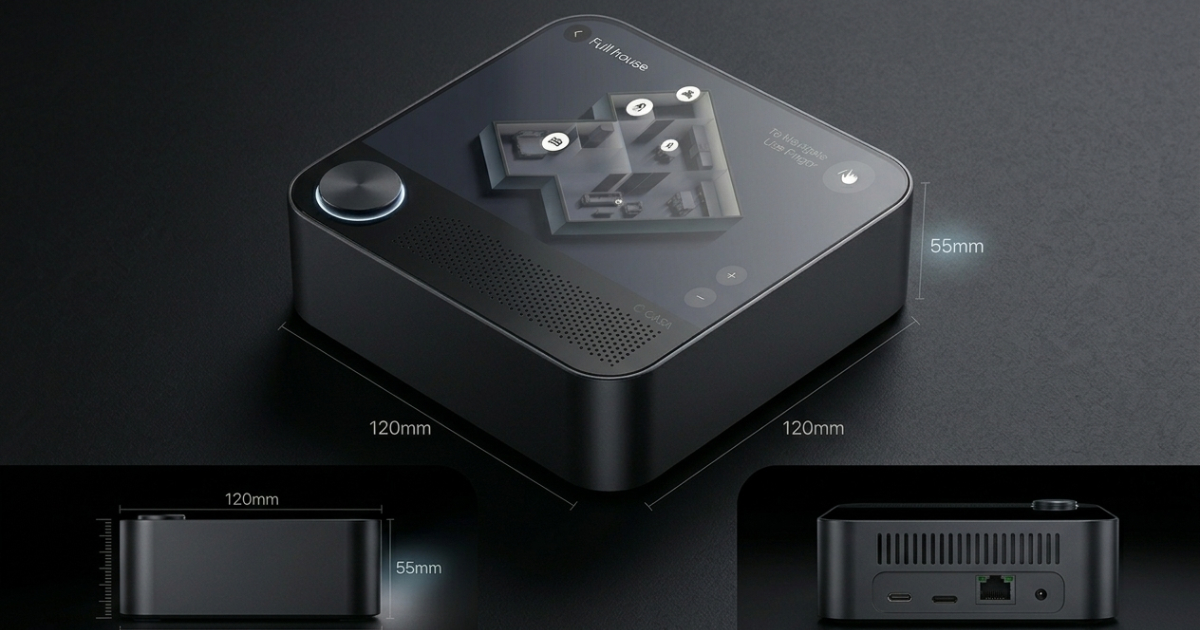
Smart Home Hub Enclosure
Consumer Electronics · 4-cavity · UL94 V-0
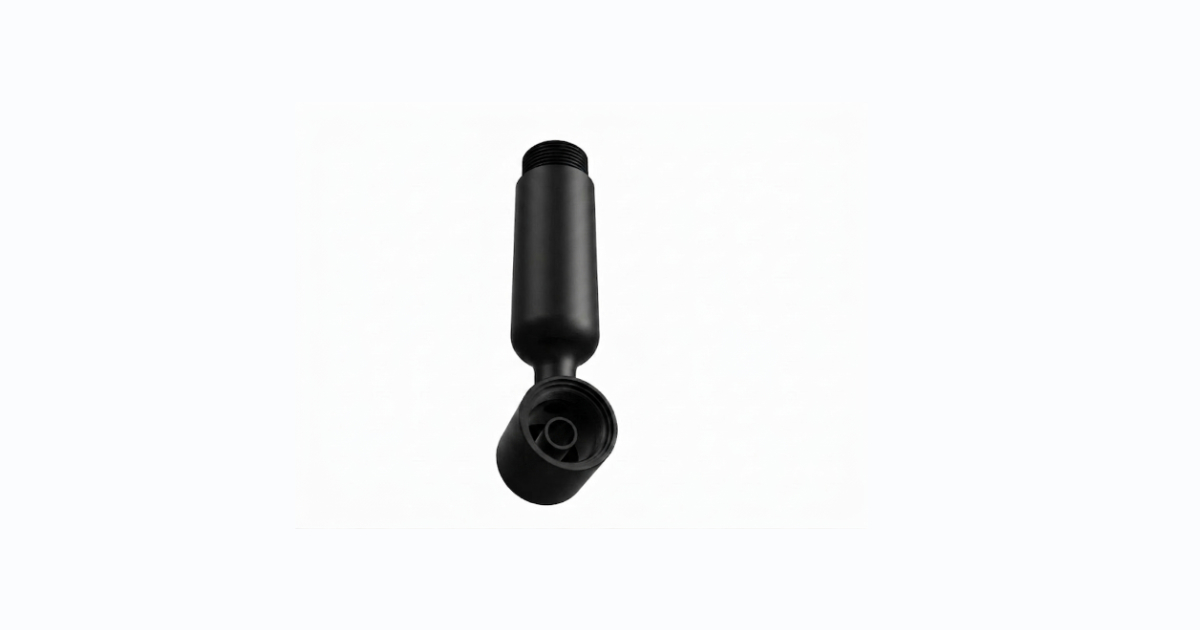
Water Quality Sensor Housing
Industrial · Precision molding · IP68
Smart Plug Enclosure
Smart Home · 8-cavity · two-piece snap-fit

Emergency Alert Pendant Enclosure
Medical Devices & Healthcare · 2-cavity · IP67 sealed
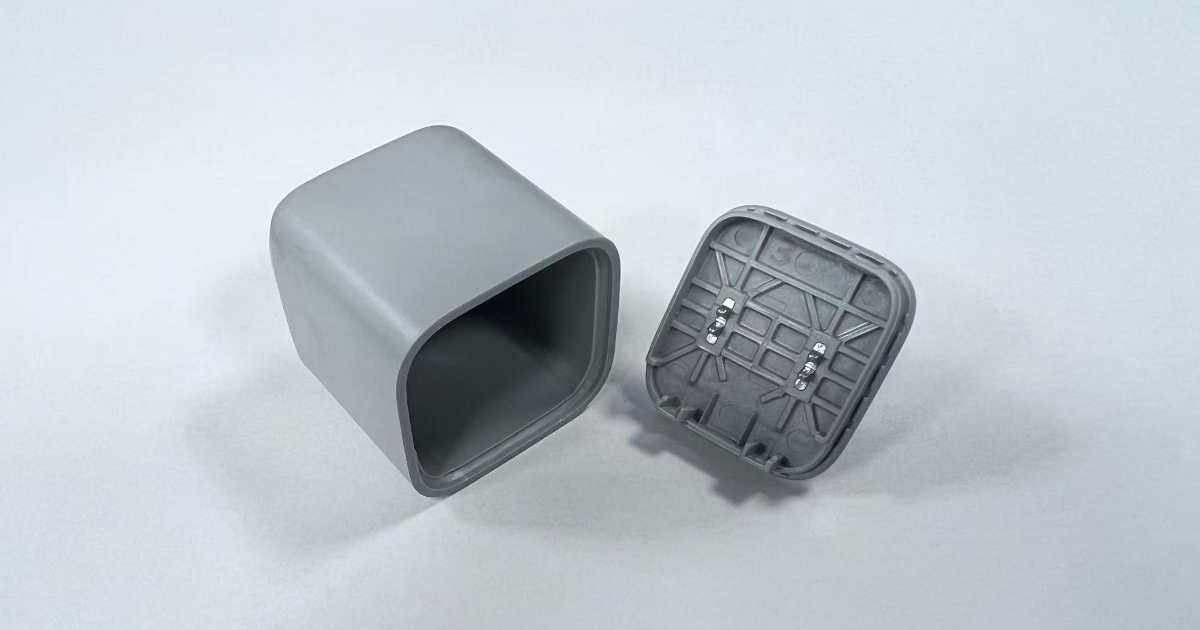
Type-C Mini Charger Housing
Consumer Electronics · 16-cavity · hot runner
What Determines Plastic Enclosure Cost?
Enclosure cost splits into tooling, piece price, and assembly — these are the variables an enclosure quote depends on.
Tooling Cost
- ✓Enclosure size
- ✓Cavity count
- ✓Mold steel
- ✓Slides
- ✓Lifters
- ✓Hot runner
- ✓Surface texture
- ✓Mold life
Part Cost
- ✓Material
- ✓Part weight
- ✓Cycle time
- ✓Machine size
- ✓Annual volume
- ✓Secondary operations
Assembly Cost
- ✓Screws
- ✓Inserts
- ✓PCB installation
- ✓Ultrasonic welding
- ✓Labels
- ✓Printing
What Do We Need to Quote Your Plastic Enclosure?
Send these items and we can evaluate the enclosure design, tooling requirements, and production process.
Part & Drawing
- ✓3D CAD file
- ✓2D drawing
- ✓Enclosure dimensions
- ✓Material
- ✓Surface finish
- ✓Color
Production & Interfaces
- ✓Annual quantity
- ✓Assembly requirements
- ✓Sealing requirements
- ✓Connector and cable openings
- ✓Required certifications
Plastic Enclosure Manufacturing FAQ
Procurement questions we answer most often on enclosure programs.
What is the difference between a plastic housing and a plastic enclosure?
A housing forms the outer body of a product and is judged mainly on appearance, fit, and assembly. An enclosure protects and contains internal equipment and is judged on protection, mounting, sealing, and accessibility. In practice the two overlap: a POS terminal housing and a water quality sensor enclosure are both injection molded, but the enclosure carries sealing grooves, threaded interfaces, and mounting features built around the equipment inside.
Can you manufacture two-piece plastic enclosures?
Yes. Upper and lower shells are molded as a matched set with alignment features, a controlled parting line, and assembly provisions. The Wi-Fi smart plug enclosure is an 8-cavity two-piece design — the main body and snap-fit top cover are joined by four molded perimeter clips with a 0.35mm interference fit, so the cover cannot be removed without a tool.
Can plastic enclosures include screw bosses and mounting posts?
Yes — screw bosses, mounting posts, mounting holes, and threaded inserts are designed during DFM and molded in. Bosses are sized against the adjacent wall to avoid sink marks on visible surfaces, and inserts are placed for the assembly torque the joint will see. The cabin wireless access point enclosure carries connector mounting bosses held to tight tolerances for avionics assembly.
Can you add gaskets or sealing features to a plastic enclosure?
Yes — where a project specifies environmental protection, the enclosure can include gasket grooves, sealing surfaces, and compression interfaces designed around the chosen gasket. The water quality sensor housing uses O-ring grooves held to ±0.02mm for continuous immersion at IP68, and the emergency alert pendant seals to IP67 behind a silicone O-ring.
What materials are commonly used for plastic enclosures?
ABS and PC/ABS cover most electronic enclosures, PC adds impact resistance, PP suits lightweight or chemically exposed applications, PA and glass-filled grades handle structural enclosures, and flame-retardant grades meet UL V-0 requirements for mains-powered electronics. JBRplas molds 500+ qualified grades.
Can plastic enclosures be painted or printed?
Yes. Secondary operations include painting, pad printing, silk screening, laser marking, and mold textures applied to the tool. Industrial and equipment enclosures often use textured or matte finishes rather than high gloss — the finish is specified against how and where the equipment is used.
Can you manufacture high-volume plastic enclosures?
Yes — multi-cavity hot runner tools run on 27 injection molding presses from 90T to 650T. High-volume enclosure programs include an 8-cavity smart plug enclosure at 2.5 million units per year and a 4-cavity smart home hub enclosure at 1.2 million units per year.