Custom Plastic Cover Manufacturer
Custom injection molded plastic covers for electronics, appliances, medical devices, industrial equipment, automotive components, and consumer products — from mold design and tooling to production.
Custom Plastic Cover Manufacturing Capabilities
Six cover families we tool and mold — from Class A cosmetic covers to protective and access covers.
Cosmetic Covers
Covers where the visible face defines the part — Class A surfaces, controlled gloss or texture, and flatness held on the A-surface.
Snap-Fit Covers
Screwless covers with cantilever snaps, hooks, and clips — retention force balanced against assembly force and material flexibility.
Screw-Mounted Covers
Covers fastened with self-tapping screws, threaded inserts, or captive screws — boss geometry designed to survive repeated assembly without cracking.
Battery & Access Covers
Covers that open in service — latches, locating features, and a fit that stays tight after repeated opening and closing.
Protective Covers
Covers that shield connectors, sensors, and functional areas — molded as rigid shields or overmolded with a soft sealing lip.
Large-Format Covers
Big, flat covers with tight flatness requirements — wall thickness, ribbing, gating, and cooling planned against warpage before the tool is cut.
Types of Plastic Covers We Manufacture
Seven cover categories we tool and mold for OEM programs. Typical applications listed below reflect the part families we mold — not a catalog.
| Cover Type | Function & Typical Applications |
|---|---|
| Top Covers | Close the upper opening and protect internal components — appliance top panels · device top covers · equipment covers |
| Bottom Covers | Close the underside and form the base surface — device bottom covers · base panels · equipment base covers |
| Front & Rear Covers | Cover and finish a visible face — front panels · rear covers · interface covers |
| Battery Covers | Close and protect battery compartments — battery doors · compartment lids |
| Protective Covers | Shield connectors, sensors, or functional areas — connector covers · sensor covers · terminal covers |
| Decorative Covers | Carry the visible appearance of the product — decorative panels · cosmetic covers |
| Access Covers | Allow service access to internal components — service panels · maintenance covers |
Plastic Covers for Different Applications
Where the covers we mold are used, with the applications typical for each industry.
Electronics
Covers for electronic devices, modules, and interfaces.
Typical applications: electronic device covers · connector covers · battery covers · access covers
Medical Devices
Covers for diagnostic, monitoring, and portable medical devices.
Typical applications: device covers · sensor covers · battery covers · protective covers
Automotive
Interior and component covers for vehicle programs.
Typical applications: interior covers · sensor covers · electronic component covers
Industrial Equipment
Covers for equipment, controls, and service access.
Typical applications: equipment covers · controller covers · access covers · protective covers
Appliances
Covers and panels for home appliances.
Typical applications: appliance covers · control covers · decorative covers
Consumer Products
Covers for consumer and wearable products.
Typical applications: product covers · cosmetic covers · battery covers
Plastic Cover Design Considerations
Covers are judged by how they fit the body they close and how they look. Flatness and appearance are designed together, and texture depth has to be balanced against draft.
Wall Thickness
Large, thin covers are the classic wall-thickness problem — sink marks, warpage, and short shots all trace back to section size. Walls are sized to the material and kept as uniform as the stiffness requirement allows.
Warpage Control
Covers are usually large, relatively thin, and flat — the hardest warpage case in injection molding. Wall thickness, ribs, gate location, cooling, material shrinkage, and mold temperature are planned together and analyzed before the tool is cut.
Snap-Fit Design
Many covers assemble without screws — cantilever snaps, hooks, and clips molded in. The geometry has to balance retention force, assembly force, and material flexibility so the joint clicks together without whitening or cracking.
Screw Bosses & Fasteners
Screw-mounted covers use self-tapping screws, threaded inserts, or captive screws. Boss wall thickness, height, screw position, and insert installation are set during DFM so bosses don't sink the opposite face or crack after repeated assembly.
Fit & Alignment
A cover is judged against the body it closes — gap, flushness, alignment, and step are the visible quality of the product. These are tolerance and locator problems, solved with the mating part in the same dimensional stack-up.
Surface Finish
Finish requirements depend on whether the cover is primarily functional, protective, or cosmetic — from SPI finishes and VDI textures to matte or gloss looks, painting, and printed graphics.
Draft & Ejection
Large surfaces, deep walls, and texture all resist release. Draft is set against texture depth, and ejector locations are chosen so the cosmetic surface is not marked where it shows.
Materials for Injection Molded Plastic Covers
Cover material selection follows the appearance, impact, and environment the part sees — a visible cover may need a cosmetic grade, while a protective cover may need impact or chemical resistance.
| Material | Typical Use |
|---|---|
| ABS | Appearance and general consumer products |
| PC | Higher impact requirements |
| PC/ABS | Electronics — balance of appearance and impact |
| PP | Lightweight and chemical resistance |
| PA | Mechanical performance requirements |
| TPE / TPU | Soft-touch or flexible cover features |
Plastic Cover Manufacturing Technologies
Depending on cover geometry, appearance requirements, and volume, we select the tooling and molding approach that fits the program.
Multi-Cavity Molding
4, 8, and 16-cavity tools for cover programs at volume — balanced filling so parts from every cavity match in appearance and fit.
Precision Injection Molding
Controlled dimensions on the features that set fit — CMM inspection and SPC on the critical cover-to-body dimensions.
Insert Molding
Metal inserts molded directly into covers — threaded fastening points and bushings set in the tool instead of assembled later.
Overmolding
Soft TPE or TPU overmolded onto rigid covers for grip areas, sealing lips, and soft-touch surfaces, molded in one cycle.
2K Molding
Two-shot covers combining hard and soft materials or two colors — no secondary assembly or painting step.
Thin-Wall Molding
For suitable designs, thin-wall molding can reduce material usage and part weight while requiring careful control of filling, cooling and warpage.
Plastic Cover Features
The features that make a cover fit, attach, and look right — specified on the drawing and molded in the tool.
Snap-Fit
Cantilever snaps and hooks that assemble the cover without fasteners.
Screw Boss
Bosses sized for self-tapping screws or threaded inserts.
Rib
Ribs that add stiffness to large flat areas without thick walls.
Locating Feature
Locators and guides that set the cover's position on the body.
Draft
Release angles set against wall height and texture depth.
Parting Line
Placed where it reads least on visible surfaces.
Ejector Location
Ejector layout planned to keep cosmetic surfaces unmarked.
Surface Texture
Mold texture, gloss level, and finish defined surface by surface.
Plastic Cover Case Studies
Cover programs with published specs — materials, cavity counts, and the requirements each part had to meet.
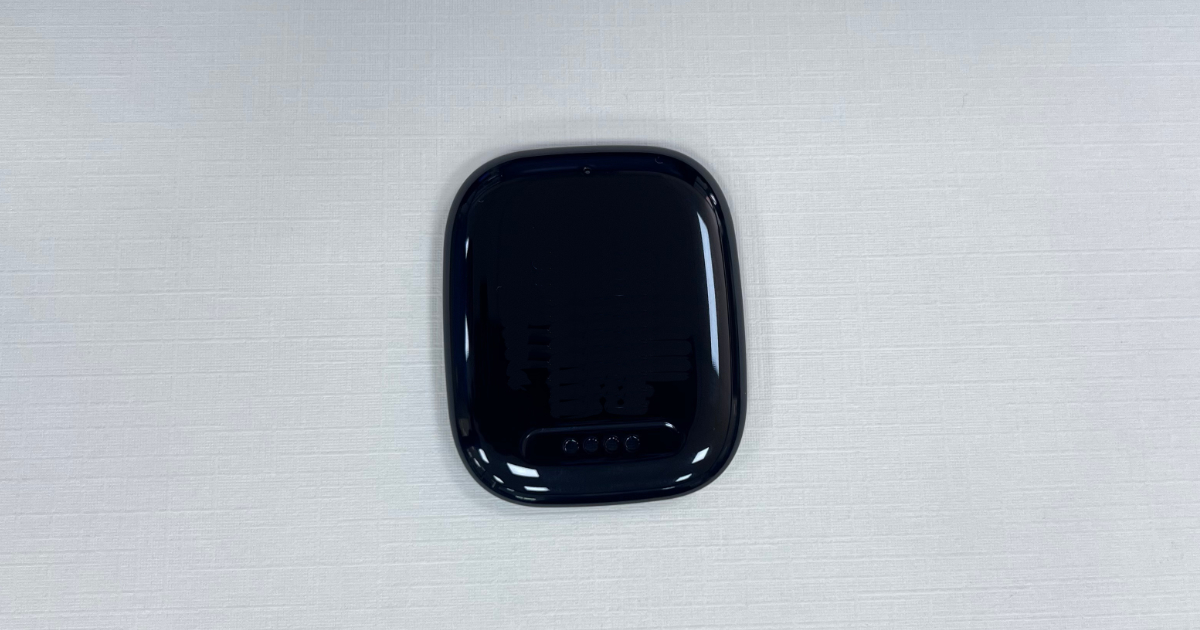
Smartwatch Back Cover
Consumer Electronics & Wearable Devices · 8-cavity · ±0.2mm tolerance
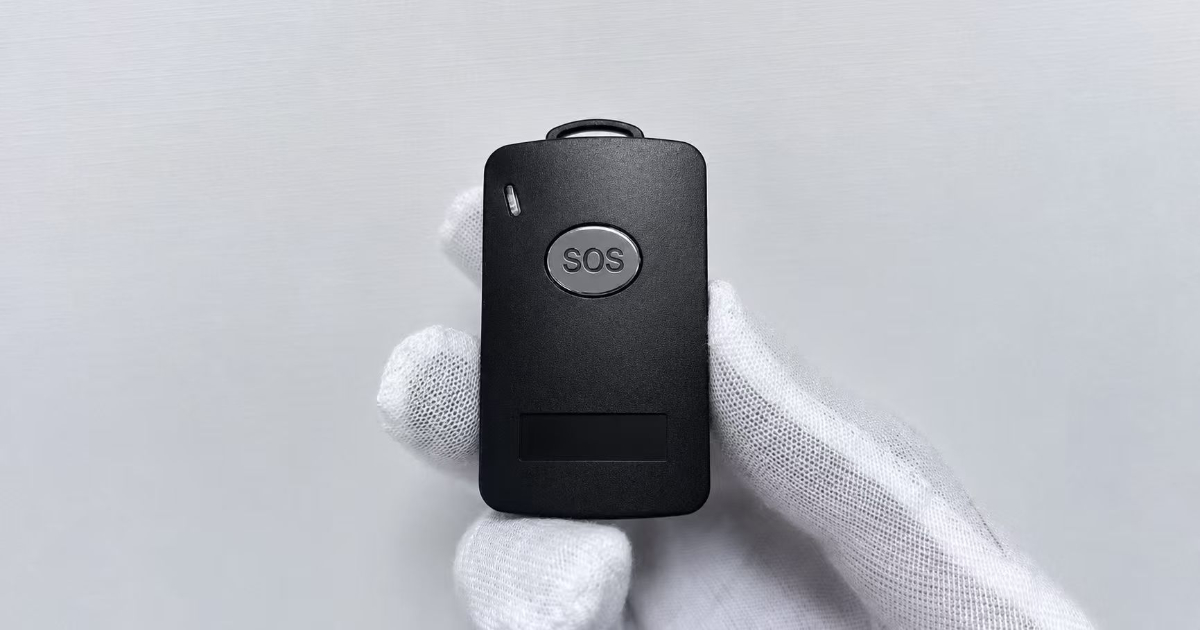
Emergency Alert Pendant
Medical Devices & Healthcare · 2-cavity · 1.6mm walls · IP67
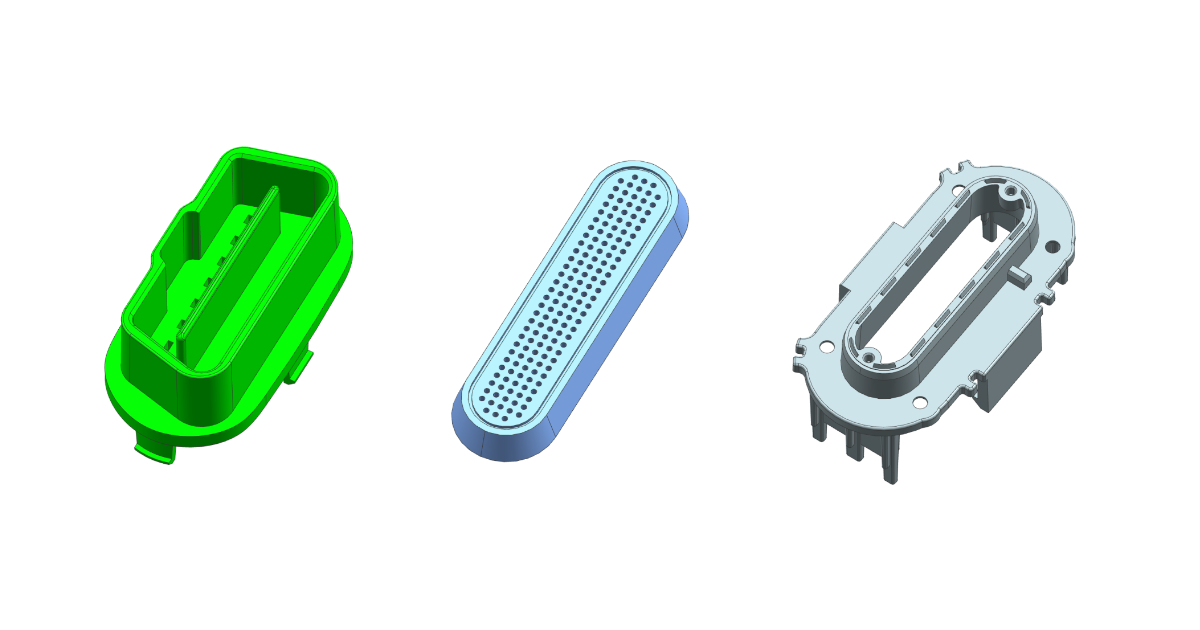
Automotive OBD Device
Automotive · 1+1+1 family mold · 50,000 shots
What Determines Plastic Cover Cost?
A cosmetic cover may have a relatively simple geometry but still require additional tooling and finishing costs because of strict appearance requirements. These are the drivers on cover programs.
Mold Cost
- ✓Part size
- ✓Part complexity
- ✓Cavity count
- ✓Slides and lifters
- ✓Hot runner system
- ✓Mold steel selection
- ✓Surface texture
Part Cost
- ✓Material and grade
- ✓Part weight
- ✓Cycle time
- ✓Machine size
- ✓Production volume
Secondary Operations
- ✓Painting
- ✓Printing
- ✓Laser marking
- ✓Assembly
What We Need to Quote Your Plastic Cover
Cover projects are judged on fit and appearance — identify A-surfaces and cosmetic requirements up front, because they drive tooling, texture, and finishing decisions.
Part & Drawing
- ✓3D CAD file (STEP or IGES)
- ✓2D drawing with tolerances
- ✓Material and grade
- ✓Color and surface finish
- ✓Critical dimensions and tolerance
- ✓Critical cosmetic surfaces (A-surfaces)
Production & Cosmetic
- ✓Annual volume
- ✓Assembly method (snap-fit, screws, or inserts)
- ✓Cosmetic requirements (gloss level, texture, color match)
- ✓Special functional requirements
Plastic Cover Manufacturing FAQ
Procurement and engineering questions we answer most often on cover programs.
What is the difference between a plastic cover and a housing?
A housing forms the complete outer shell of a product. A cover closes, protects, or decorates a region of it — a top cover, a battery door, a front panel, or an access cover. Both are molded the same way, but they are designed around different questions: a housing around the complete product architecture, and a cover around the fit to the body it closes and the way its surface looks. Our plastic housings page covers the housing side of the work.
What materials are commonly used for injection molded plastic covers?
ABS, PC, PC/ABS, PP, PA, and TPE/TPU cover most cover applications — chosen for appearance, impact, chemical exposure, or soft-touch feel. Recent cover programs ran PC/ABS for a smartwatch back cover, medical-grade ABS for an emergency alert pendant top cover, and PC+ABS for an automotive rear cover. JBRplas molds from a library of 500+ qualified grades.
Can plastic covers use snap-fit assembly?
Yes — cantilever snaps, hooks, clips, and retention features are molded directly into the cover, so no screws are needed. The design has to balance retention force, assembly force, and material flexibility so the joint assembles without whitening or cracking. A recent example: a smartwatch back cover that snap-fits into a precisely machined metal frame, with the perimeter snap features held at 1.0–1.2mm base thickness in a uniform 2.0mm wall. The snap-fit design guide on our blog covers the strain limits and geometry rules.
Can you manufacture textured plastic covers?
Yes — covers are textured in the mold with SPI finishes or VDI textures, from a fine matte to a structured grain, and different surfaces of the same part can carry different textures. Texture depth interacts with draft angle and mold steel: deeper textures need more draft for clean release, and the texture is applied to the finished cavity. Where the program calls for a gloss look instead, that is normally achieved through a polished mold finish or painting.
Can plastic covers be painted or printed?
Yes. Painting, printing, laser marking, and assembly are secondary operations we run for cover programs. A recent example: a smartwatch back cover with a high-gloss black spray finish, held to ±0.2mm and produced at 2,000,000 pieces per year. Where the appearance requirement allows, molding the color and texture directly into the part avoids the finishing cost — that trade-off is evaluated during DFM.
How do you control warpage on large plastic covers?
Large, flat covers are the hardest warpage case in injection molding. Wall thickness, rib layout, gate location, cooling layout, material shrinkage, and mold temperature are planned as one system, and filling and cooling are analyzed with Moldflow before the tool is cut. As one anchor: a smartwatch back cover molded in an 8-cavity PC/ABS tool holds a ±0.2mm dimensional tolerance in production at 2,000,000 pieces per year.
Can you manufacture thin-wall plastic covers?
For suitable designs, yes — thin-wall molding can reduce material usage and part weight while requiring careful control of filling, cooling, and warpage. A recent example: the top cover of a medical alert pendant molded at 1.6mm wall thickness and 7 grams, with IP67 sealing maintained in volume production. Not every cover is a thin-wall candidate — wall thickness is evaluated against stiffness, impact, and flow length during DFM.
Can you produce high-volume plastic covers?
Yes — 27 injection molding machines from 90T to 650T, running multi-cavity tools up to 16 cavities. Current cover programs run at 2,000,000 pieces per year for a smartwatch back cover and 500,000 per year for a medical alert pendant cover, both supported with documented process capability.