Custom Plastic Bracket Manufacturer
Custom injection molded plastic brackets for automotive, electronics, industrial equipment, medical devices, and consumer products — from mold design and tooling to high-volume production.
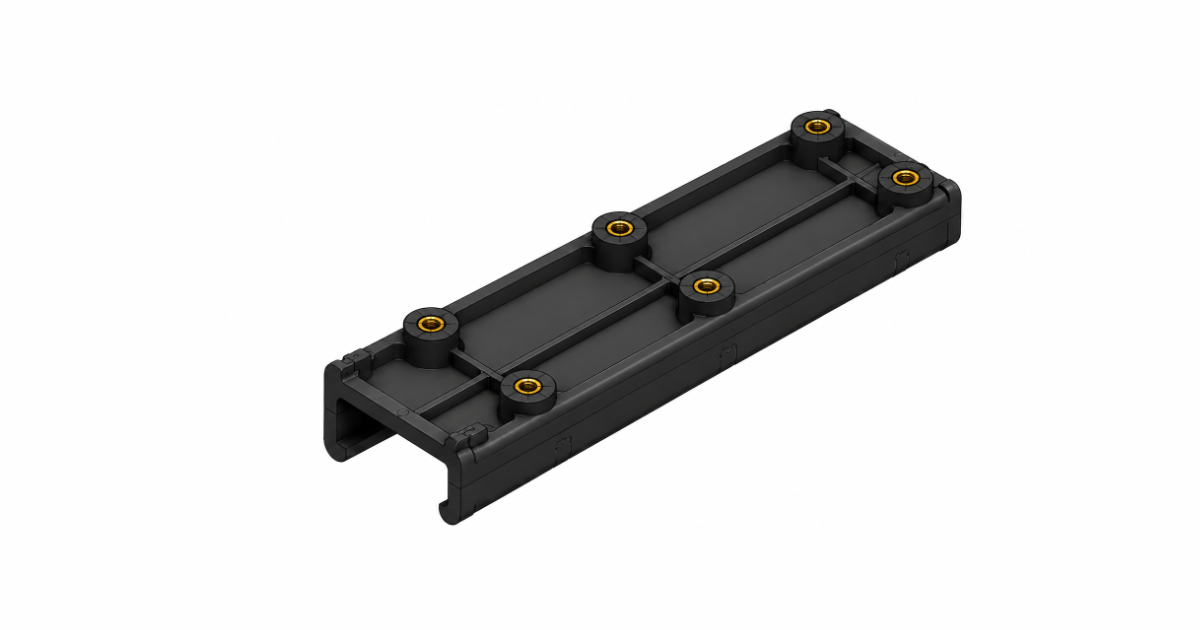
Custom Plastic Bracket Manufacturing Capabilities
Six bracket families we tool and mold — from load-bearing structural parts to multi-function internal components.
Structural Brackets
Load-bearing brackets that carry structural loads and support other components — ribbed geometry, glass-filled resins, and validated stiffness.
Mounting Brackets
Brackets for mounting PCBs, displays, sensors, and electronic modules — controlled hole positions and defined mating surfaces.
Support Brackets
Internal support brackets that hold components or product structures in position inside an assembly.
Positioning Brackets
Brackets that locate and fix components during assembly — locating features, alignment geometry, and repeatable placement.
Automotive Brackets
Brackets for automotive electronics and HVAC applications — with PPAP documentation and vibration and temperature qualification.
Multi-Function Brackets
Brackets that combine mounting, positioning, support, and cable management in one molded part — features consolidated to cut part count.
Types of Plastic Brackets We Manufacture
Six bracket categories we tool and mold for OEM programs. Typical applications listed below reflect the part families we mold — not a catalog.
| Bracket Type | Typical Applications |
|---|---|
| Mounting Brackets | PCB mounting · displays · sensors · electronic modules |
| Support Brackets | Structural support · equipment components · internal assemblies |
| Automotive Brackets | HVAC brackets · sensor brackets · electronic module brackets |
| Electronic Brackets | POS equipment · communication devices · control equipment |
| Industrial Brackets | Industrial equipment · automation systems · sensors · controllers |
| Medical Device Brackets | Internal component positioning · device mounting · structural support |
Plastic Bracket Design Considerations
Brackets are judged by load capacity and dimensional fit, not appearance. Material and geometry should be evaluated together rather than selecting material based on nominal strength alone.
Load & Structural Requirements
Stiffness and strength come first, not appearance. We evaluate wall thickness, rib layout, mounting points, and load direction together — and check deformation under the actual load, because material and geometry only work as a pair.
Rib Design
Ribs add stiffness without adding wall thickness — the core structural lever on a bracket. Height, spacing, and thickness ratios are set against the base wall to avoid sink marks on the opposite face and warpage across the part.
Mounting Bosses & Holes
Screw bosses, through holes, threaded inserts, and locating holes are designed as a set with the mounting distances the assembly needs. Boss diameter is sized against the adjacent wall, and hole positions are toleranced to the mating part.
Snap-Fits & Locating Features
Snap fits, locators, clips, and retention features let a bracket assemble without fasteners — or keep parts aligned before screws go in. Cantilever geometry and strain limits are designed so the joint assembles without cracking.
Tolerances & Dimensional Accuracy
Bracket fits are dimensional problems: hole position, mounting distance, flatness, and alignment drive assembly. Tolerances are assigned feature by feature against the mating parts, then verified with CMM inspection and SPC in production.
Warpage Control
Long, flat brackets are the hardest warpage case in injection molding. Cooling layout, gate location, packing profile, and fiber orientation are analyzed before the tool is cut — on one HVAC bracket this took post-ejection distortion from 1.2mm down to 0.14mm.
Sink Marks & Surface Quality
Sink marks appear where thick sections — bosses, ribs, and mounting pads — pull the opposite surface down during cooling. Rib-to-wall ratios and boss wall thickness are set during DFM so structural features don't print through visible faces.
DFM Review
Every bracket project starts with a written DFM report covering wall thickness, draft, ribs, bosses, gate location, parting line, ejection, and warpage risk — with the recommended changes and their effect on cost and cycle time.
Materials for Injection Molded Plastic Brackets
Bracket material selection follows stiffness, impact, temperature, and chemical exposure. Glass-filled grades improve stiffness and strength, but they also affect shrinkage, anisotropy, mold wear, and dimensional behavior.
| Material | Typical Use |
|---|---|
| PA / Nylon | Strength and durability — general structural brackets |
| PA-GF | Higher stiffness and structural performance — load-bearing brackets |
| PC | Impact resistance — brackets that see knocks or drops |
| PC/ABS | Balance of strength and appearance — visible brackets |
| POM | Low friction and dimensional performance — sliding interfaces |
| PP | Lightweight and chemical resistance — large, exposed parts |
| PBT / PBT-GF | Electrical and dimensional applications — brackets near electronics |
Injection Molding Technologies for Plastic Brackets
Depending on bracket geometry, tolerance, and volume, we select the tooling and molding approach that fits the program.
Multi-Cavity Molding
4, 8, and 16-cavity tools for bracket programs at volume — balanced filling so parts from every cavity assemble the same.
Precision Injection Molding
Tight assembly tolerances backed by process capability — CMM inspection and SPC on the dimensions that control the fit.
Insert Molding
Metal inserts molded directly into brackets — threaded mounting points, bushings, and wear surfaces set in the tool.
Overmolding
Soft TPE or TPU overmolded onto rigid brackets where a damped contact surface or grip area is needed.
2K Molding
Two-shot brackets combining hard and soft materials in one cycle — no secondary assembly of the soft component.
Automated Assembly
Brackets that are part of a larger assembly can leave our plant assembled — inserts, fasteners, and mating parts installed before shipping.
Plastic Brackets for Different Industries
Where the brackets we mold are used, with the applications typical for each industry.
Automotive
Structural, sensor, and electronic module brackets for vehicle programs.
Typical applications: HVAC brackets · sensor brackets · electronic module brackets · cable management brackets
Electronics
Mounting and internal support brackets for electronic products.
Typical applications: PCB mounting brackets · display brackets · internal support brackets · connector brackets
Medical
Positioning and support brackets for medical devices.
Typical applications: sensor brackets · internal component supports · positioning brackets
Financial Devices
Internal support structures for POS terminals and kiosk equipment.
Typical applications: monitor support brackets · printer brackets · internal support structures
Industrial Equipment
Mounting brackets for equipment, automation, and control systems.
Typical applications: sensor brackets · controller brackets · equipment mounting brackets
DFM for Injection Molded Plastic Brackets
The ten-point checklist our engineers run on every bracket project — from wall thickness and rib design to warpage and final tolerances.
- 01 Wall Thickness Uniform sections sized to the material
- 02 Rib Design Height, spacing, and thickness ratios
- 03 Draft Angle Draft on walls, ribs, and bosses for clean release
- 04 Boss Design Boss-to-wall ratios that prevent sink
- 05 Hole & Core Design Through holes, threads, and shut-offs
- 06 Parting Line Placement against function and appearance
- 07 Ejection Pin layout that avoids marking and distortion
- 08 Gate Location Fill balance and fiber orientation
- 09 Warpage Cooling, packing, and fiber effects analyzed
- 10 Tolerance Feature-by-feature stack against the mating part
Plastic Bracket Case Studies
Bracket programs with published specs — materials, cavity counts, and the requirements each part had to meet.
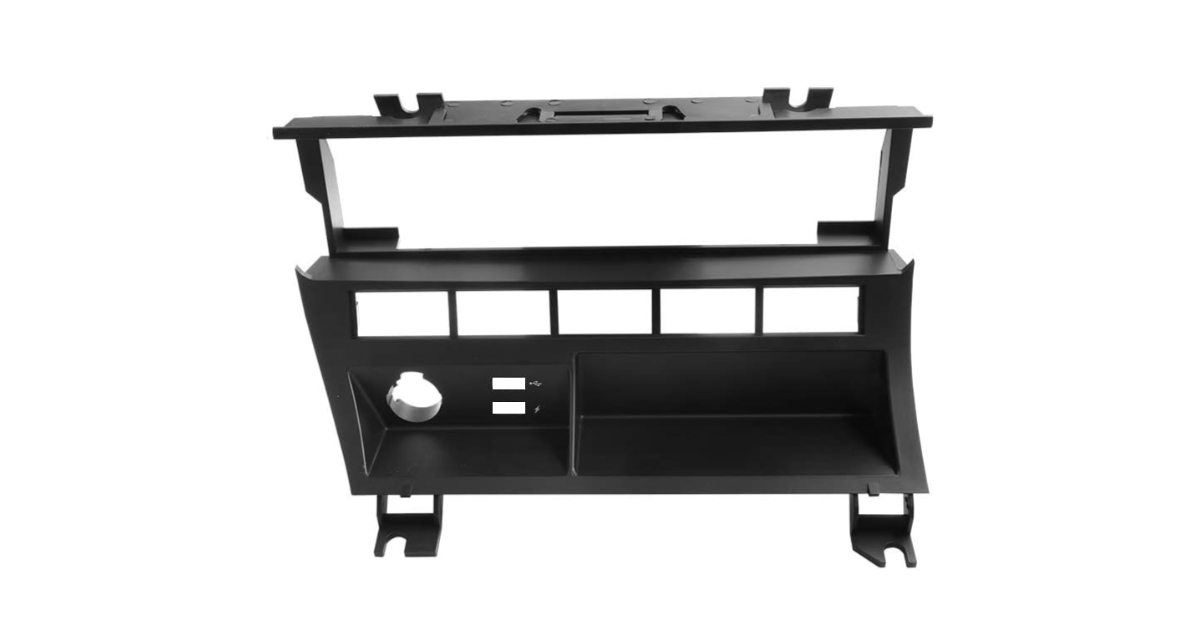
Automotive HVAC Bracket
Automotive · 4-cavity · PPAP Level 3
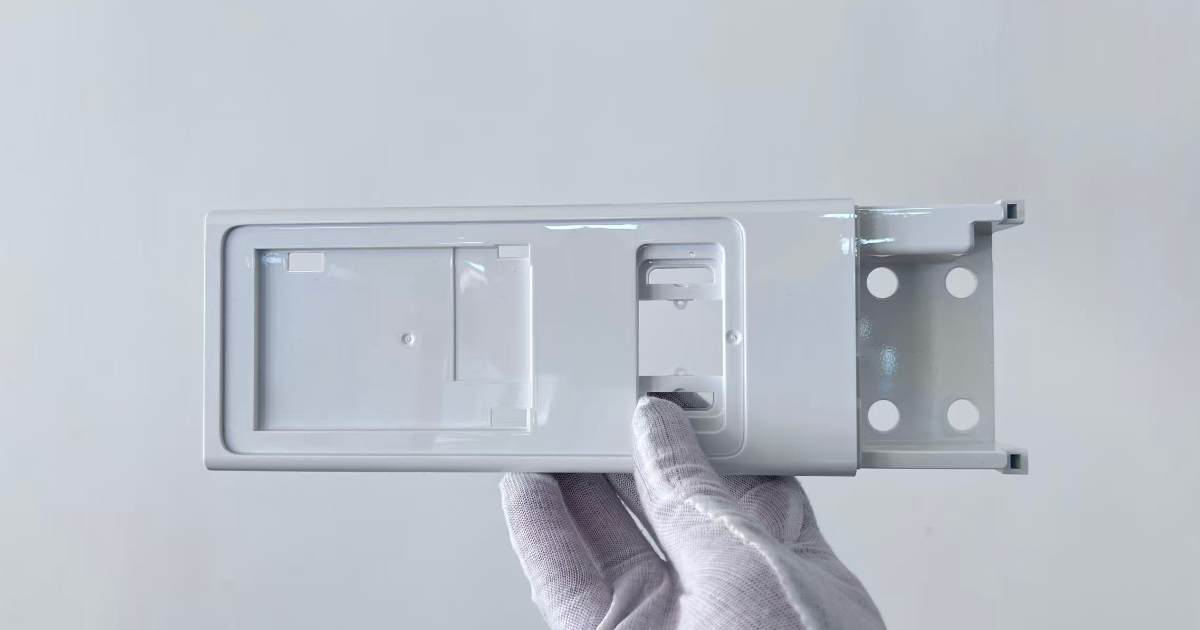
POS Monitor Support Bracket
Retail Equipment & Point-of-Sale · 1-cavity · ±0.15mm boss positions
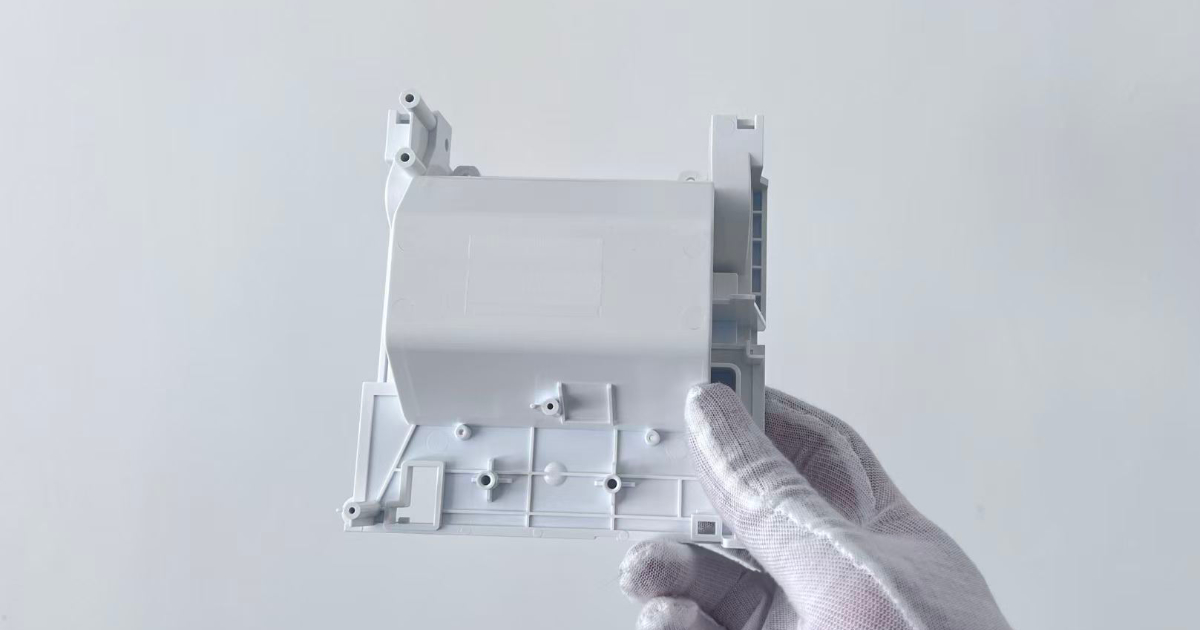
POS Printer Mounting Bracket
Retail Equipment & Point-of-Sale · 1-cavity · 2 slides
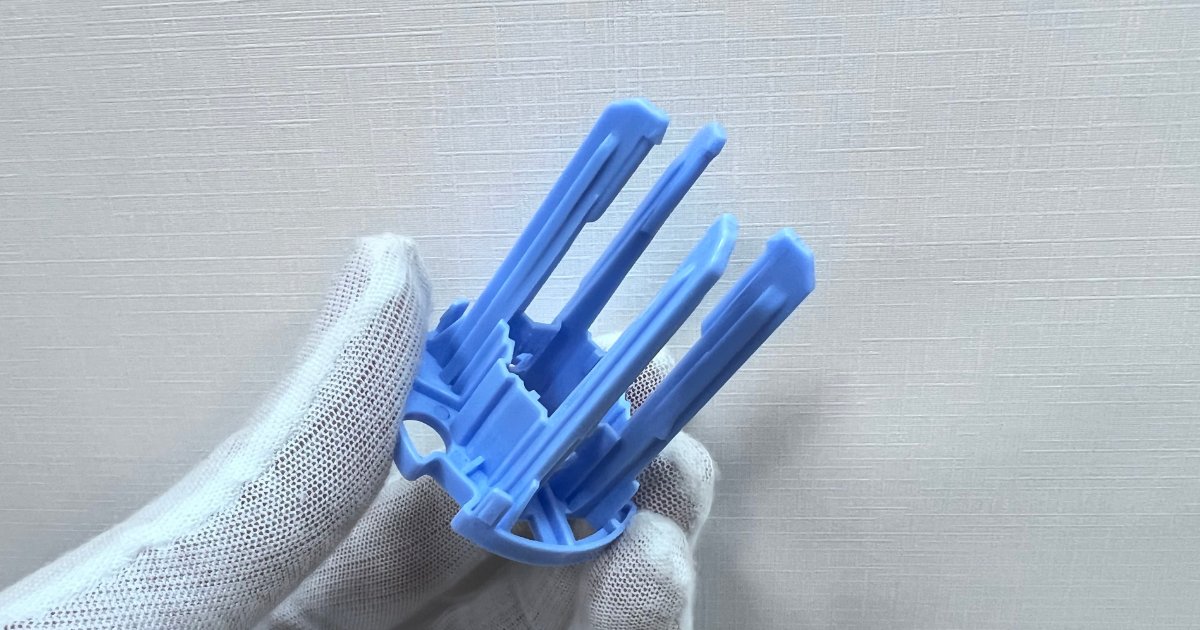
Blood Glucose Meter Bracket
Medical Devices · 2-cavity · 0.8mm wall
What Determines Plastic Bracket Cost?
Mold, part, and secondary-operation cost drivers on bracket programs.
Mold Cost
- ✓Part complexity
- ✓Slides and lifters
- ✓Cavity count
- ✓Mold steel selection
- ✓Hot runner system
- ✓Mold life requirements
Part Cost
- ✓Material and grade
- ✓Part weight
- ✓Cycle time
- ✓Machine size
- ✓Production volume
Additional Cost
- ✓Metal inserts
- ✓Assembly
- ✓Painting
- ✓Printing
- ✓Special inspection
What We Need to Quote Your Plastic Bracket
Load requirements drive material, geometry, rib design, and molding process selection — tell us what the bracket carries, not just what it looks like.
Part & Drawing
- ✓3D CAD file (STEP or IGES)
- ✓2D drawing with tolerances
- ✓Material and grade
- ✓Critical dimensions
- ✓Tolerance requirements
- ✓Surface finish
Production & Load
- ✓Annual volume
- ✓Load requirements
- ✓Assembly requirements
- ✓Insert requirements
Plastic Bracket Manufacturing FAQ
Procurement and engineering questions we answer most often on bracket programs.
What materials are commonly used for injection molded plastic brackets?
PA, PA-GF, PC, PC/ABS, POM, PP, and PBT/PBT-GF cover most bracket applications — chosen for stiffness, impact, friction, or chemical resistance. Recent bracket programs ran PA66-GF30 for an automotive HVAC bracket, PC+ABS for a POS monitor support bracket, and PC + 20% GF for a printer bracket. JBRplas molds from a library of 500+ qualified grades.
Can plastic brackets be reinforced with glass fiber?
Yes — glass-filled grades are a common bracket choice because they raise stiffness and structural performance. A recent example: a 4-cavity PA66-GF30 tool for an automotive HVAC bracket. The trade-off is that glass fibers change shrinkage, introduce anisotropy, and accelerate mold wear, so gate location, cooling, and steel selection have to be planned around fiber orientation — the glass-filled plastics guide on our blog covers this in detail.
Can JBRplas manufacture brackets with metal inserts?
Yes. Brackets can carry threaded inserts, bushings, and wear surfaces — insert-molded in the tool or installed in a controlled secondary step, depending on the feature and the volume. Our overmolding and insert molding service page covers when each approach is specified.
How do you control warpage in large plastic brackets?
Long, flat brackets are the hardest warpage case. On an automotive HVAC bracket with a 180mm unsupported span, the previous supplier failed PPAP with up to 1.2mm distortion after ejection. Moldflow analysis identified asymmetric cooling between cavities; after the cooling layout and pack profile were reworked, warpage measured 0.14mm against a 0.30mm limit. Cooling design, gate location, and fiber orientation are analyzed before the tool is cut on every bracket program.
Can you manufacture high-volume plastic brackets?
Yes — 27 injection molding machines from 90T to 650T, running multi-cavity tools up to 16 cavities. Current bracket programs run at 280,000 pieces per year for the automotive HVAC bracket and 500,000 per year for a blood glucose meter bracket.
What tolerances can be achieved for injection molded plastic brackets?
It depends on the feature and the process — but the bracket programs on this page run tight: ±0.06mm on mounting hole positions for a PA66-GF30 HVAC bracket, ±0.15mm on boss positions for a POS monitor support bracket, and ±0.05mm on critical dimensions for a 0.8mm-wall medical bracket. Tight-tolerance brackets are quoted with CMM inspection on critical dimensions and SPC during production.
Can plastic brackets include snap fits and mounting bosses?
Yes — bosses, snap fits, and locating features are usually molded into the bracket in the same tool. The POS monitor support bracket holds 0.28mm flatness over a 245mm span with boss positions at ±0.15mm, and its retention features are molded directly into the part. Snap-fit geometry and boss sizing follow the design rules in our snap-fit design guide and part design guidelines.
Can you manufacture automotive plastic brackets?
Yes — automotive bracket work is documented to PPAP Level 3. The HVAC bracket case study covers a PA66-GF30 part qualified for -40°C to +110°C continuous temperature and 30G vibration, molded in a 4-cavity H13 tool with 1,000,000+ shot life.