Topic Hub
Sourcing & Buying Guides
Guides for molding buyers — supplier selection, cost analysis, mold export logistics, multi-cavity economics and automotive PPAP requirements.
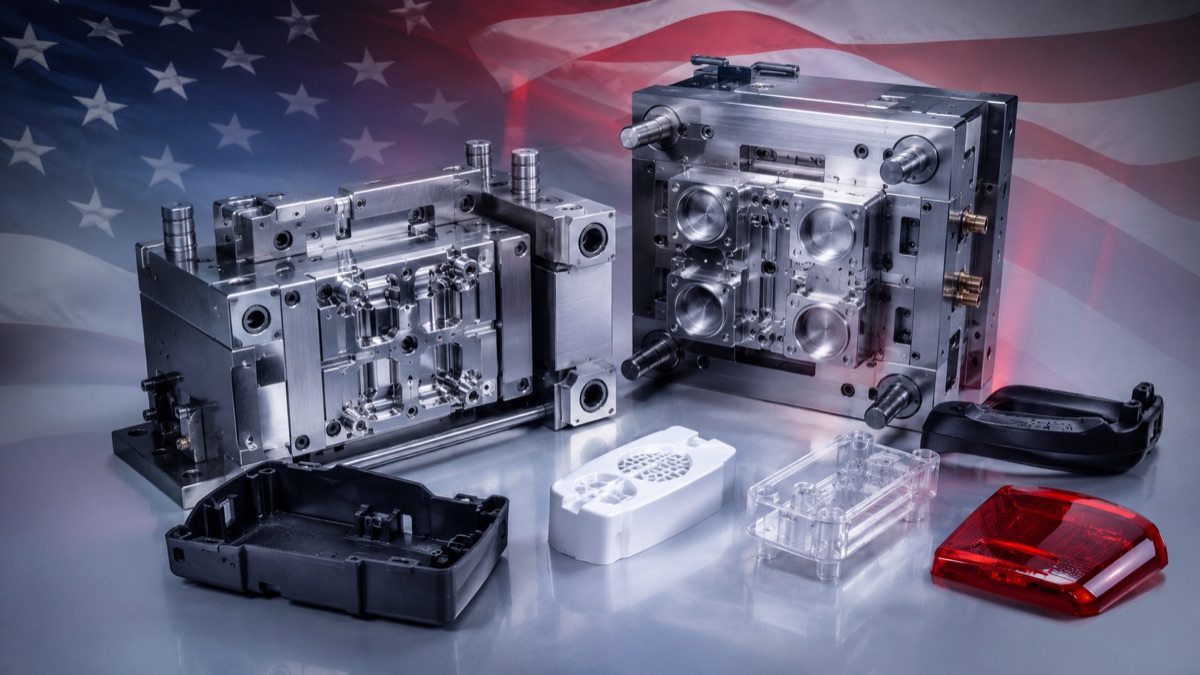
Buying injection molds and plastic parts is a procurement discipline with its own cost drivers, supplier evaluation criteria, and logistics considerations. These guides are written for the procurement engineer or sourcing manager who needs to compare quotes, evaluate suppliers, and manage the commercial side of an injection molding program.
How to Choose a Plastic Injection Molding Supplier in China — 7 Criteria That Matter →
Engineering capability, quality certifications, communication, IP protection, factory ownership, financial stability, and references — the seven criteria that separate a production partner from a transactional supplier.
What Drives Injection Molding Cost — Tooling, Material, and Per-Part Economics →
How mold cost, material cost, and processing cost combine to determine per-part price. Real examples at different volumes and cavity counts, so you can compare quotes on equal terms.
Multi-Cavity Mold Economics — Cavity Count, Runner Balancing, and Family Mold Risks →
Cavity count economics (1-cav vs 4-cav vs 16-cav), runner balancing, family mold risks, and when to split a family mold into separate tools. The cavity decision is the largest economic lever after part design.
Export Packaging for Injection Molds and Plastic Parts — Crating, Container Loading, and Damage Prevention →
ISPM 15 crating, VCI corrosion protection, container loading, and parts packaging options. Written for buyers receiving their first international mold shipment.
Injection Molding for Automotive Parts — PPAP, Tolerances, and Material Specs →
PPAP Level 3 documentation, IMDS submissions, APQP timelines, and the automotive-specific requirements that a general commercial supplier may not meet.
For buyers in:
United States · Germany · UK · Canada · France · Spain · Japan · Korea · Brazil · Russia
Related guides: Manufacturing · Quality & Validation