JBRplas Adds DMSPK DR450H Sinker EDM to the Shenzhen Toolroom
JBRplas commissioned a DMSPK DR450H sinker EDM — 450×350×320 mm travel, ≤0.007 mm positioning, ≤0.004 mm repeat accuracy — in production since 16 October.
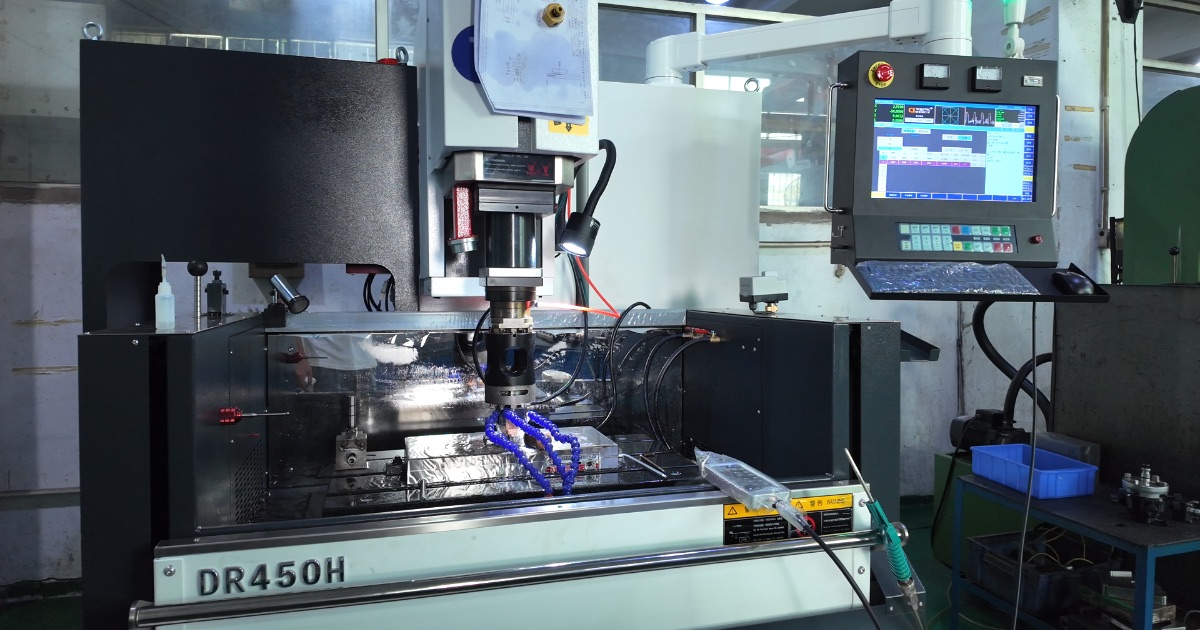
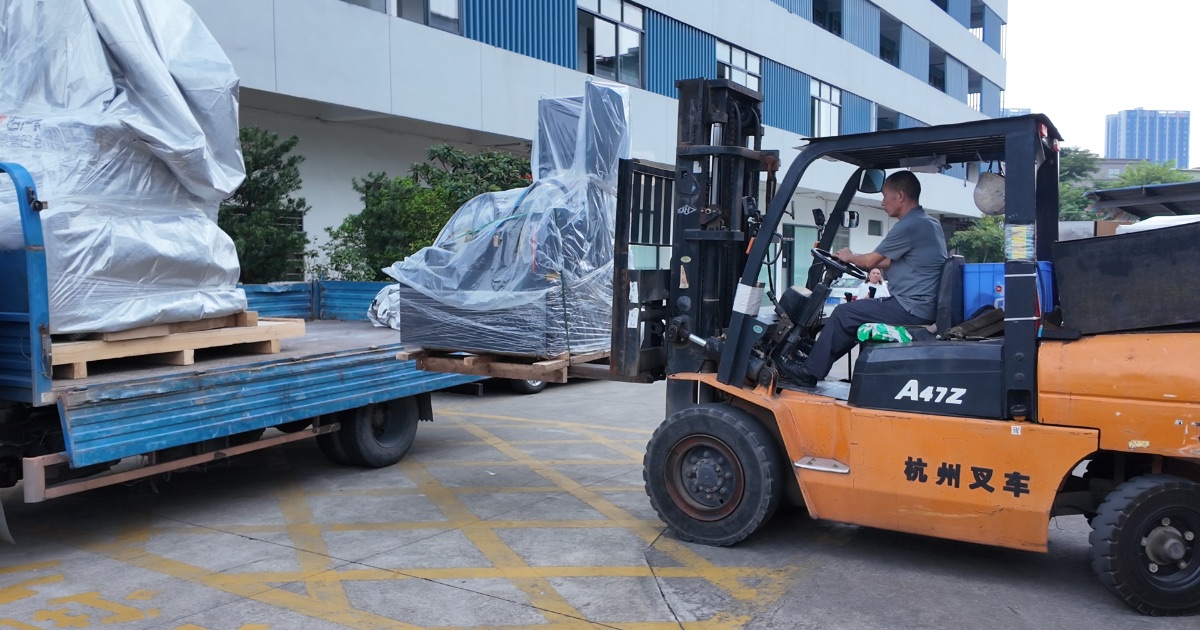
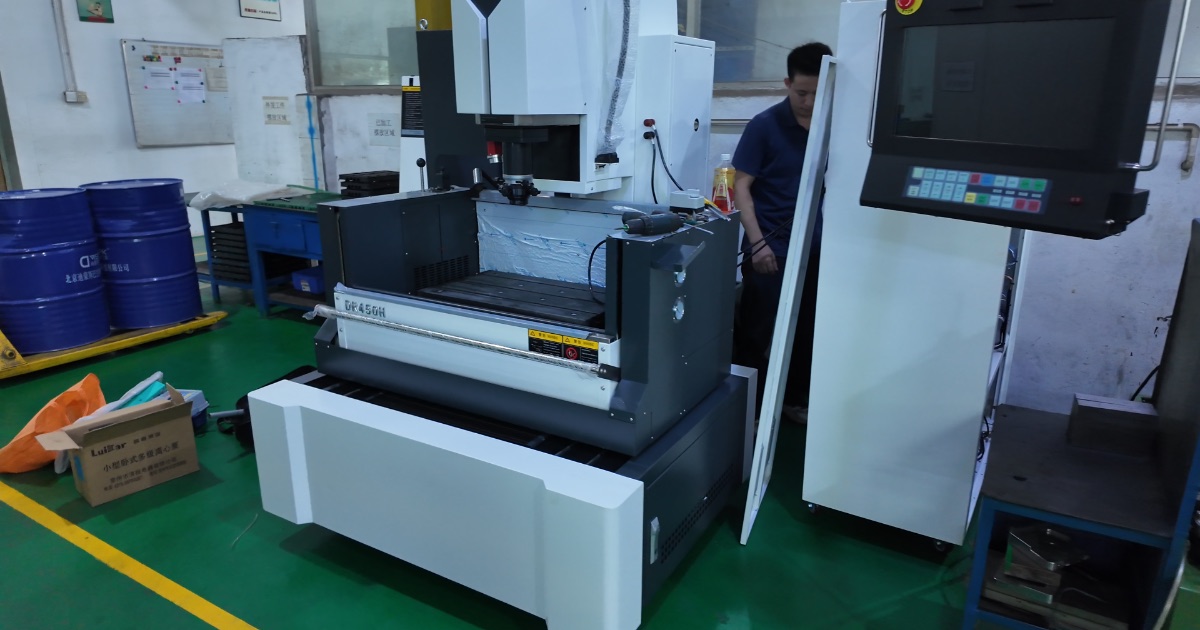
[Shenzhen, China] – JBRplas has commissioned a DMSPK DR450H CNC sinker EDM (die-sinking electrical discharge machine) in its Shenzhen toolroom. The machine was delivered and installed on 12 October 2026, completed commissioning on 16 October 2026, and is now in production on active mold work.
Machine Specification
| Parameter | DMSPK DR450H |
|---|---|
| Type | CNC sinker EDM (die-sinking) |
| Axis travel (X / Y / Z) | 450 × 350 × 320 mm |
| Positioning accuracy | ≤0.007 mm |
| Repeat positioning accuracy | ≤0.004 mm |
Why Repeat Positioning Is the Number That Matters in a Toolroom
A sinker EDM burns the cavity detail that milling cannot reach — sharp internal corners, deep ribs, fine texture, and the split lines that decide whether a two-cavity tool produces interchangeable parts. What limits that work is rarely the single-shot positioning accuracy; it is whether the machine returns to the same position every time an electrode is re-chucked.
On the DR450H those two figures are ≤0.007 mm positioning and ≤0.004 mm repeat positioning. The distinction matters in practice:
- Electrode wear compensation relies on the machine returning to a known reference between passes. A repeat error that drifts shows up as a step in the cavity floor, not as an obviously wrong dimension.
- Multi-cavity inserts are burned one cavity at a time from the same reference. Repeat accuracy is what keeps cavity-to-cavity variation inside the tolerance the part drawing assumes.
- Re-cutting after polishing or repair only works if the electrode can be returned to the original position. That is a repeat-accuracy question, not a positioning-accuracy one.
Timeline
| Date | Milestone |
|---|---|
| 2026-10-12 | Delivered and installed in the toolroom |
| 2026-10-16 | Commissioning and accuracy verification complete |
| Now | In production on active mold programs |
Where It Sits in the Toolroom
The DR450H joins the sinker EDM group in the Shenzhen toolroom, which now runs 10 sinker EDMs alongside 9 CNC machining centers and 7 wire-cut EDMs — the full machine inventory is on the equipment list.
What This Means for Clients
No change to how programs run. The machine is added toolroom capacity inside the existing mold-making process — same DFM review, same T1 reporting, same mold trial and documentation. Existing programs are not re-planned.
Additional sinker capacity shortens the queue for cavity detail work. Sinker EDM is usually the step that sets the date of a T1 sample, because it follows milling and precedes polishing and assembly. Adding a machine to that group reduces the risk that a program waits on EDM availability.
Repeat accuracy is specified, not inherited. For tools where cavity-to-cavity consistency is a drawing requirement rather than a preference, the DR450H’s ≤0.004 mm repeat positioning is the relevant figure, and it is now part of the toolroom’s stated capability.
Existing clients do not need to take any action. For new programs, include your cavity-consistency requirement in the RFQ and the toolroom will confirm which machine group the work is planned on. Request a quote →